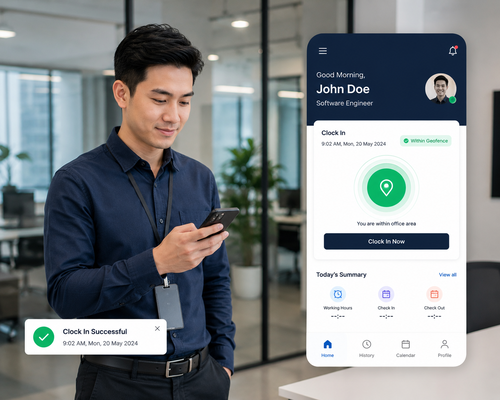
Managing healthcare workforce schedules is one of the most complex challenges facing hospital administrators, clinic managers, and healthcare facility supervisors. Unlike many other industries, healthcare operates on a 24/7 basis, requiring round-the-clock staffing across multiple departments and specialties. Effective shift scheduling isn’t just an administrative necessity—it directly impacts patient care quality, staff satisfaction, and operational efficiency.
A time attendance system designed specifically for healthcare shift scheduling can transform how organisations manage their workforce. By automating scheduling processes, tracking staff availability in real time, and ensuring compliance with labour regulations, these systems help healthcare facilities maintain optimal staffing levels whilst reducing administrative burden on managers.
The Unique Challenges of Healthcare Shift Scheduling
Healthcare organisations face scheduling challenges that are distinctly different from other industries. Hospitals and medical clinics must maintain continuous coverage across emergency departments, operating theatres, wards, and specialist units. This complexity multiplies when considering varying skill levels, departmental requirements, and individual staff availability.
The consequences of poor scheduling in healthcare can be severe. Understaffing leads to increased workload on existing staff, potentially compromising patient safety and care quality. Conversely, overstaffing wastes budget resources that could be directed elsewhere. Additionally, inconsistent scheduling practices can quickly lead to staff burnout, increased turnover, and difficulty in attracting talented healthcare professionals.
Common Scheduling Problems in Malaysian Healthcare Facilities
Healthcare managers in Malaysia often encounter recurring scheduling issues that consume significant time and create operational friction. Manual scheduling methods, spreadsheet-based systems, and paper-based attendance tracking remain common in many facilities, leading to inefficiencies and errors.
- Last-minute shift changes and absences: Staff illness or unexpected leave requires urgent rescheduling, often leaving managers scrambling to find replacement coverage.
- Compliance difficulties: Tracking leave entitlements, overtime limits, and regulatory compliance manually is error-prone and time-consuming.
- Staff dissatisfaction: Inconsistent or unfair scheduling practices damage morale and increase staff turnover in an already competitive healthcare employment market.
- Inefficient resource allocation: Without clear visibility of staffing levels, managers cannot optimally deploy staff across departments.
- Administrative burden: Processing attendance records, calculating payroll deductions, and managing shift swaps consume considerable management time.
What Is a Time Attendance System for Healthcare?
A time attendance system specifically configured for healthcare environments is a digital solution that automates employee scheduling, tracks work hours, records attendance, and generates reports for payroll and compliance purposes. Unlike generic time tracking tools, healthcare-focused systems understand the unique requirements of medical facilities, including shift patterns, staffing ratios, specialisation requirements, and regulatory compliance needs.
These systems serve multiple functions simultaneously. They act as a scheduling tool where managers can create and communicate shift rosters, a time tracking system where staff clock in and out, an attendance recorder for leave and absence management, and a compliance monitor that ensures adherence to labour regulations and safety requirements.
Key Features of Healthcare Attendance Systems
Modern time attendance systems designed for healthcare typically include several essential features that address the sector’s specific operational needs.
- Integrated scheduling and roster management: Create, publish, and modify shift schedules with real-time visibility across all staff and departments.
- Automated shift swaps and cover requests: Enable staff to request schedule changes or offer shifts to colleagues, with manager approval workflows.
- Real-time attendance tracking: Record clock-in and clock-out times across multiple locations or departments using various access methods.
- Leave and absence management: Centralise annual leave, sick leave, compassionate leave, and other absence types with automatic accrual calculations.
- Compliance reporting: Generate reports that demonstrate adherence to working hour regulations, minimum rest period requirements, and other statutory obligations.
- Payroll integration: Seamlessly transfer attendance and hours data to payroll systems, reducing manual data entry and calculation errors.
- Mobile accessibility: Allow staff to check schedules, request time off, and confirm availability from mobile devices.
- Alert and notification systems: Automatically notify staff of schedule changes, upcoming shifts, or coverage needs.
Benefits of Implementing a Healthcare Time Attendance System
Healthcare facilities that transition from manual or semi-automated scheduling to a dedicated time attendance system experience measurable improvements across multiple operational areas.
Improved Staff Satisfaction and Retention
Staff respond positively to fair, transparent, and consistent scheduling practices. When employees can view their schedules in advance, request time off through a formal system, and understand how their leave entitlements are being managed, workplace satisfaction increases. This is particularly important in healthcare, where staff shortages and burnout are ongoing concerns affecting recruitment and retention.
Enhanced Operational Efficiency
Managers gain significant time back when scheduling becomes automated. Rather than spending hours manually creating rosters and processing leave requests, they can focus on strategic workforce planning and patient care improvements. The system handles routine administrative tasks, reducing errors that often result from manual processing.
Accurate Payroll Processing
Integrated time attendance systems eliminate discrepancies between hours worked and payroll calculations. Staff are paid accurately and on time, reducing payroll disputes and administrative queries. For healthcare organisations managing large workforces with complex shift patterns, this accuracy translates to significant cost savings.
Regulatory Compliance and Accountability
Healthcare facilities must comply with Malaysian employment legislation regarding working hours, rest periods, and record-keeping requirements. A proper time attendance system maintains accurate records automatically, making compliance audits straightforward and reducing legal risk. The system creates an audit trail that demonstrates fair treatment of staff and adherence to regulations.
Better Resource Planning
With real-time visibility of staffing levels across departments and shifts, managers can make informed decisions about resource allocation. They can identify peak demand periods, plan for seasonal variations, and ensure adequate cover for critical areas such as emergency departments or intensive care units.
Considerations When Selecting a Time Attendance System for Healthcare
Choosing the right system requires careful evaluation of your facility’s specific needs and operational context.
Integration Capability
The system should integrate seamlessly with existing software such as payroll systems, human resources information systems, and department management tools. Poor integration creates data silos and requires manual workarounds that defeat the purpose of automation.
Scalability and Flexibility
Your system should accommodate growth as your healthcare facility expands. It should also offer flexibility to adapt to changing shift patterns, new departments, or evolving operational requirements without requiring extensive customisation or additional software.
User-Friendly Interface
Healthcare staff work demanding schedules and have limited time for learning complex systems. An intuitive interface that requires minimal training ensures faster adoption and better utilisation across all staff levels, from ward nurses to administrative personnel.
Reporting and Analytics
Comprehensive reporting capabilities enable managers to analyse staffing patterns, identify trends, and make data-driven decisions. Look for systems that offer customisable reports for different stakeholder needs—operational reports for managers, compliance reports for HR, and summary reports for senior leadership.
Mobile Access
Healthcare staff work across multiple locations and shifts. A system with robust mobile functionality ensures that staff can check schedules, request leave, and respond to notifications regardless of their location or working hours.
Data Security and Privacy
Healthcare organisations handle sensitive personal and health-related information. Ensure that any time attendance system implements appropriate security measures, data encryption, and access controls to protect staff information and comply with privacy requirements.
How Smart Touch Technology Can Help
Smart Touch Technology offers time and attendance solutions designed to address the specific requirements of healthcare organisations across Malaysia. Our systems are built with an understanding of healthcare’s unique operational demands, from 24/7 shift patterns to complex staffing requirements across multiple departments.
Our time attendance solutions provide healthcare facilities with the tools to streamline shift scheduling, automate attendance tracking, and maintain comprehensive compliance records. Whether you operate a large hospital network or a specialist clinic, Smart Touch Technology’s systems scale to match your facility’s size and complexity whilst remaining user-friendly for your entire workforce.
By implementing Smart Touch Technology’s time and attendance system, your healthcare facility can reduce administrative overhead, improve scheduling accuracy, enhance staff satisfaction, and maintain stronger compliance with employment regulations.
Conclusion
A dedicated time attendance system designed specifically for healthcare shift scheduling is no longer a luxury—it’s essential infrastructure for modern healthcare operations in Malaysia. The challenges of managing healthcare workforce scheduling are significant, but the right technology solution can transform these challenges into opportunities for improved efficiency, staff satisfaction, and patient care outcomes.
By automating scheduling processes, tracking attendance accurately, and providing real-time visibility across your workforce, a healthcare-focused time attendance system enables managers to focus on what matters most: delivering excellent patient care and maintaining a motivated, fairly treated workforce.
If your healthcare facility is still managing schedules manually or with outdated systems, now is the time to explore modern solutions that can streamline operations and support your facility’s long-term success. Contact Smart Touch Technology today to discover how our time and attendance solutions can benefit your healthcare organisation.
Smart Touch Technology Pte Ltd
Singapore: www.smartouch.com.sg | +65-63964767 | sales@smartouch.com.sg
Malaysia: www.smartouch.com.my | +607-3889903 | sales@smartouch.com.my