The hospitality industry in Malaysia is dynamic and ever-changing, with demand fluctuating significantly across seasons. Hotels, resorts, restaurants, and event venues face a common challenge: managing seasonal staff efficiently while maintaining service quality and operational continuity. During peak seasons—whether it’s the year-end holiday rush or school holidays—hospitality businesses need to rapidly scale up their workforce. Conversely, during slower periods, they must optimise staffing levels to control costs.
Tracking and managing seasonal staff manually can be overwhelming, leading to scheduling conflicts, compliance issues, and wasted resources. Many hospitality managers still rely on spreadsheets, paper records, or disjointed systems that don’t communicate with each other. This approach is not only time-consuming but also prone to errors that can impact both employee satisfaction and business performance.
A smart HR system designed specifically for the hospitality sector can transform how managers handle seasonal staffing challenges. By automating key processes and providing real-time visibility into workforce data, these systems enable managers to make better decisions, ensure compliance, and maintain operational excellence throughout the year.
The Challenges of Seasonal Staffing in Hospitality
Hospitality businesses face unique staffing dynamics that set them apart from other industries. Understanding these challenges is the first step toward implementing an effective solution.
Rapid Scaling During Peak Seasons
During peak periods, hospitality venues need to hire multiple staff members quickly. This urgency often means less time for thorough recruitment and onboarding processes. Managers must juggle recruitment, training, scheduling, and payroll—all while maintaining regular operations. Without a structured system, important details can slip through the cracks, leading to compliance gaps or poor employee experiences.
Managing Multiple Employment Types
Seasonal staff, contract workers, full-time employees, and part-time staff all require different management approaches. Hospitality businesses often employ a mix of these employment types simultaneously, making it difficult to track benefits, entitlements, tax obligations, and contract conditions across the workforce.
Compliance and Documentation
In Malaysia, employers must comply with various employment laws and regulations. Managing contract renewals, statutory deductions, leave entitlements, and work permits for seasonal staff requires meticulous documentation and timely action. Manual processes make it easy to miss renewal dates or overlook compliance requirements.
Scheduling Complexity
Creating fair, efficient rosters that account for skill levels, availability, and service demands is challenging. Seasonal staff may have different availability patterns, and changes happen frequently. When schedules are managed manually, communication delays and errors are common.
Staff Retention and Training
Seasonal staff turnover can be high, which means investing time in training and development. Tracking training completion, certifications, and skill development across a large temporary workforce is difficult without a centralised system.
How a Smart HR System Simplifies Seasonal Staff Management
A comprehensive HR system designed for hospitality operations provides tools and functionality that address these challenges directly.
Centralised Staff Database
A smart HR system maintains a single, accessible database of all employees—permanent and seasonal. This centralised approach ensures that manager information, employment contracts, certifications, and historical data are always available. When a seasonal employee returns for the next peak season, their profile and history are already in the system, reducing onboarding time.
Automated Scheduling and Roster Management
Smart scheduling tools help managers create rosters that account for skill requirements, availability, and labour regulations. The system can flag potential compliance issues, such as exceeding maximum working hours or failing to provide adequate rest periods between shifts. Automated notifications keep staff informed of their schedules in real time, reducing miscommunication.
Real-Time Workforce Visibility
Managers can view their entire workforce status at a glance—who is on duty, who is scheduled for upcoming shifts, who has upcoming contract end dates, and who requires training or certifications. This visibility helps with quick decision-making and proactive workforce planning.
Contract and Compliance Management
The system can track contract start and end dates, automatically generating renewal reminders before contracts expire. Employment entitlements, leave balances, and statutory obligations are calculated automatically, reducing the risk of compliance errors.
Payroll Integration
By integrating HR data with payroll, the system ensures that seasonal staff are paid accurately and on time. Different pay rates, seasonal bonuses, and tax deductions are handled consistently across the entire seasonal workforce.
Performance and Training Tracking
A smart system allows managers to record and track training completion, performance metrics, and skill development for seasonal staff. This information helps identify top performers who could be rehired in future seasons, improving staff continuity.
Key Benefits for Hospitality Managers
Implementing a smart HR system for seasonal staff management delivers tangible benefits:
- Time Savings: Automating routine tasks such as roster creation, leave approvals, and payroll processing frees up management time for strategic activities.
- Reduced Errors: Automated calculations and compliance checks reduce the risk of payroll mistakes, scheduling errors, and compliance breaches.
- Better Staff Experience: Clear communication of schedules, timely payments, and transparent benefits information improve satisfaction and reduce turnover.
- Cost Optimisation: Accurate tracking of labour costs and real-time visibility into staffing levels help managers control expenses without compromising service quality.
- Compliance Confidence: Automated tracking of statutory requirements and employment regulations reduces legal risks.
- Data-Driven Decisions: Reports and analytics provide insights into staffing patterns, peak demand periods, and workforce performance, enabling better planning for future seasons.
How Smart Touch Technology Can Help
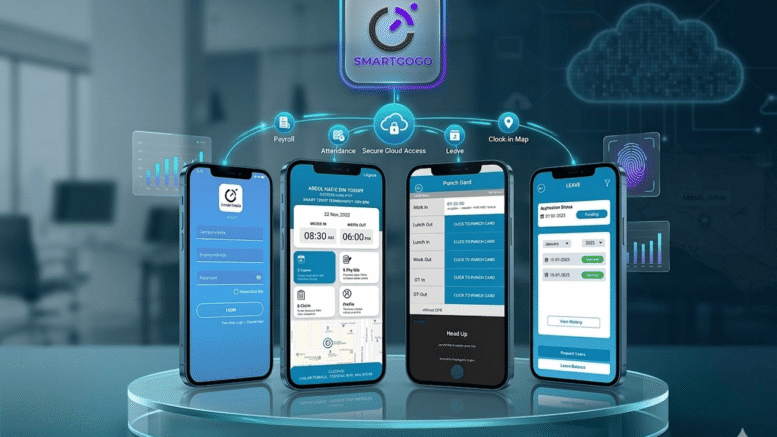
SmartGogo Apps, offered by Smart Touch Technology, is designed to address the specific needs of Malaysian businesses, including hospitality operations. The platform provides a unified system for managing employees, tracking attendance, managing schedules, and handling HR administration efficiently.
For hospitality managers juggling seasonal staff, SmartGogo Apps simplifies workforce management by centralising employee data, automating scheduling processes, and providing real-time visibility into staffing levels. The system’s flexibility allows managers to handle different employment types—seasonal, contract, and permanent—within a single platform. This means that during peak seasons, managers can quickly onboard seasonal staff, assign them to schedules, and track their performance without toggling between multiple systems.
The platform’s integration capabilities mean that HR data flows seamlessly into payroll and other business systems, reducing manual data entry and the associated risks of errors. For a hospitality business in Malaysia managing hundreds of seasonal staff across multiple locations, this centralised approach translates to fewer compliance issues, faster decision-making, and smoother operations.
Best Practices for Seasonal Staff Management
Beyond implementing a smart HR system, hospitality managers should follow these best practices:
- Plan Ahead: Begin recruitment and onboarding processes well before peak seasons to avoid last-minute rushes.
- Document Everything: Maintain clear, complete records of all employment contracts, agreements, and changes to ensure compliance.
- Communicate Clearly: Use the HR system to ensure staff understand their schedules, pay, benefits, and expectations.
- Monitor Compliance: Regularly review the system’s compliance reports to identify and address any potential issues.
- Build Relationships: Track top-performing seasonal staff and prioritise their rehiring in future seasons to build a reliable core team.
- Analyse Data: Use workforce analytics to understand staffing patterns and forecast future seasonal needs more accurately.
Conclusion
Seasonal staffing in the hospitality industry requires a structured, efficient approach. Manual processes and disconnected systems create unnecessary complexity, compliance risks, and operational challenges. A smart HR system transforms seasonal staff management by automating key processes, providing real-time visibility, and ensuring compliance with Malaysian employment regulations.
By adopting SmartGogo Apps, hospitality managers in Malaysia can streamline their seasonal workforce management, reduce administrative burden, improve employee satisfaction, and focus on delivering exceptional guest experiences. Whether managing dozens of seasonal staff or hundreds across multiple locations, a centralised, intelligent HR platform is the foundation for sustainable, compliant, and profitable operations.
If your hospitality business struggles with seasonal staffing challenges, consider exploring how a smart HR system can transform your workforce management. Contact the team at Smart Touch Technology to discuss your specific needs and discover how SmartGogo Apps can support your business.
Smart Touch Technology Pte Ltd
Singapore: www.smartouch.com.sg | +65-63964767 | sales@smartouch.com.sg
Malaysia: www.smartouch.com.my | +607-3889903 | sales@smartouch.com.my