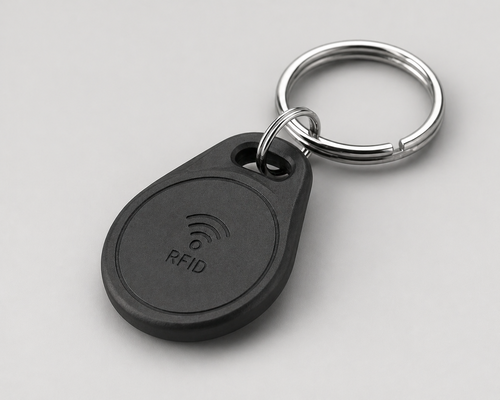
Corporate building security is no longer just about locking doors at the end of the day. In a modern business environment, every entry point, office floor, meeting room, server area, parking zone, and restricted facility must be protected with a smart and reliable access control method. Secure proximity cards for corporate building entry provide an efficient, professional, and user-friendly way to manage who can enter, when they can enter, and which areas they are allowed to access.
For offices, commercial towers, factories, headquarters, co-working spaces, banks, education facilities, healthcare buildings, logistics hubs, and government-related premises, controlling access is one of the most important responsibilities of facility management. A secure proximity card system helps our organization reduce unauthorized entry, improve employee convenience, strengthen visitor control, and create a complete record of access activity.
Unlike traditional keys, proximity cards can be programmed, monitored, updated, and deactivated. If a physical key is lost, the entire lock may need to be replaced to maintain security. If a proximity card is lost, the card can simply be disabled in the access control system. This makes proximity cards a smarter and more secure choice for corporate building entry.
What Are Secure Proximity Cards?
Secure proximity cards are contactless access credentials used to unlock doors, gates, turnstiles, lifts, parking barriers, and other controlled entry points. The user only needs to place the card near a compatible card reader. Once the reader detects the card and verifies its authorization, the access control system decides whether to grant or deny entry.
This simple process creates a smooth and secure experience for employees and authorized users. There is no need to insert a card, swipe repeatedly, or carry a large bunch of keys. The system works quickly, making it ideal for high-traffic corporate buildings where many people enter and exit throughout the day.
Proximity cards can be assigned to specific individuals, departments, contractors, tenants, or visitors. Each card can have different access rights depending on job role, location, schedule, security level, or management policy. This flexibility allows our organization to build a structured access control system that matches daily operations.
Why Corporate Buildings Need Proximity Card Access
Corporate buildings often have different types of users moving through the premises. Employees may need access to office floors, parking areas, pantry zones, meeting rooms, or shared workspaces. Senior management may require access to executive areas. IT staff may need entry into server rooms. Cleaners, maintenance teams, and contractors may only be allowed in certain locations during specific hours.
Without a secure access system, it becomes difficult to control movement across the building. Traditional keys are hard to track, easy to duplicate, and inconvenient to manage. Manual security checks can slow down entry and may not provide a complete audit trail.
Secure proximity cards solve these challenges by giving management centralized control over access permissions. Every card can be linked to a user profile. Every access attempt can be recorded. Every restricted area can be protected based on clear rules. This creates a stronger security foundation for the entire corporate environment.
Convenient and Fast Building Entry
One of the main advantages of proximity cards is convenience. Employees can enter the building quickly by presenting their card to the reader. This reduces waiting time at entrances, improves traffic flow during peak hours, and creates a smoother arrival experience.
In a busy office building, morning entry can involve hundreds or even thousands of employees entering within a short period. A reliable proximity card system helps prevent congestion at the main lobby, lift lobby, car park entrance, and office doors. When integrated with turnstiles or automated gates, the system can manage people flow more efficiently while maintaining access security.
Convenience also improves user adoption. When employees find the system easy to use, they are more likely to follow access procedures properly. This helps management maintain a secure and orderly workplace.
Better Security Than Traditional Keys
Traditional keys present many risks for corporate buildings. Keys can be copied without permission, lost by employees, kept by former staff, or passed to unauthorized individuals. Once a key is outside management control, the security risk can be difficult and expensive to fix.
Secure proximity cards provide better control because each card can be managed digitally. If an employee resigns, the card can be deactivated. If a card is misplaced, access can be blocked immediately. If a department changes office location, access permissions can be updated without replacing locks.
This makes proximity cards especially valuable for companies with frequent staff movement, multiple departments, temporary workers, shared offices, or multi-tenant commercial buildings. Management can respond quickly to changes without disrupting daily operations.
Role-Based Access Control for Corporate Areas
Not every person in a corporate building should access every area. Role-based access control allows management to assign permissions based on responsibilities. This is one of the strongest benefits of using secure proximity cards.
For example, general employees may access the main entrance, assigned office floor, and pantry area. Finance staff may access the finance department. IT personnel may access the server room. Management may access executive meeting rooms. Security staff may access monitoring rooms. Maintenance teams may access plant rooms only during approved service hours.
With proximity card access control, these permissions can be configured clearly. This reduces the risk of unauthorized movement and protects sensitive areas. It also supports internal security policies by ensuring that only the right people can enter critical spaces.
Access Records and Audit Trails
A secure proximity card system does more than open doors. It also records entry and access activity. This creates a useful audit trail for management, security teams, and facility administrators.
Access records may include the cardholder name, card number, entry point, date, time, and access result. If someone attempts to enter an unauthorized area, the system can record the denied access attempt. These records can be useful during incident investigation, internal audits, attendance verification, and security reviews.
For corporate buildings, audit trails are essential because they provide visibility. Instead of guessing who entered a room or relying only on CCTV review, management can check access logs and identify activity more accurately. This helps strengthen accountability across the workplace.
Integration with Door Access Systems
Secure proximity cards are commonly used with electronic door access systems. A complete solution may include card readers, controllers, electromagnetic locks, exit buttons, emergency break glass units, power supplies, management software, and network connectivity.
When a card is presented, the reader sends the credential information to the controller. The controller checks whether access is allowed. If approved, the door lock releases. If denied, the door remains locked. This process happens quickly and automatically.
A well-designed door access system can be installed at main entrances, office doors, server rooms, storage rooms, laboratories, HR offices, finance departments, meeting rooms, lift lobbies, staircases, and other restricted areas. The system can also be expanded as the company grows.
Lift Access Control with Proximity Cards
In many corporate buildings, securing the entrance door alone is not enough. Lift access control helps prevent unauthorized users from reaching restricted floors. With proximity cards, employees can be allowed to access only their assigned floors.
This is especially useful in multi-level offices, shared commercial towers, serviced offices, and buildings with different tenants. When a user presents a valid proximity card inside or outside the lift, the system can enable only approved floor buttons. This improves privacy, reduces unauthorized movement, and adds another layer of protection.
For corporate headquarters, lift access control can separate public areas from private office areas. Visitors may only access the reception floor, while employees and approved personnel can access designated workspaces.
Parking Access with Proximity Cards
Corporate building entry often includes vehicle access. Proximity cards can be used for parking barriers, boom gates, basement car parks, staff parking zones, and restricted loading areas.
Instead of manually checking every vehicle, security teams can allow authorized employees to enter by tapping or presenting their proximity card at the parking reader. The system can record vehicle entry and exit activity, improving parking control and reducing unauthorized parking.
For buildings with limited parking capacity, proximity card access can help management assign parking rights to specific users. It can also support different access schedules for employees, management, contractors, and service providers.
Visitor and Contractor Management
Visitors and contractors need controlled access, but they should not have the same permissions as full-time employees. Secure proximity cards can be issued as temporary visitor passes with limited access rights.
A visitor card may allow entry only to the lobby, meeting room area, or selected floor. A contractor card may work only during approved working hours and only for specific service areas. Once the visit or project is completed, the card can be disabled or reused for another visitor after proper registration.
This improves building security while maintaining a professional visitor experience. Guests can move through approved areas smoothly, while management keeps control over access boundaries.
Reducing Security Risk from Lost Cards
Lost cards are a common concern in any access control system. However, secure proximity card systems are designed to reduce this risk. When a user reports a lost card, the administrator can deactivate the credential immediately. A replacement card can then be issued with new access rights.
This is much safer than losing a traditional key. With mechanical keys, management may need to replace cylinders, distribute new keys, and update key records. With proximity cards, the change can be made in the software without physical lock replacement.
To further improve security, companies can implement clear policies such as requiring employees to report lost cards immediately, displaying photo identification on cards, using cardholder agreements, and reviewing card activity regularly.
Professional Corporate Identity and Branding
Proximity cards are not only security tools. They can also support corporate identity. Cards can be printed with company logos, employee photos, names, departments, staff numbers, and design elements that match the organization’s brand.
A professional access card creates a more organized workplace image. It helps security personnel visually identify authorized users and improves the overall presentation of the company. For large offices and corporate buildings, branded cards can also make daily identification more efficient.
Cards can be designed for different user groups, such as employees, visitors, contractors, vendors, temporary staff, and management. Color coding or printed labels can help security teams recognize access categories quickly.
Scalable Access Control for Growing Businesses
A good proximity card system can grow with our organization. We may begin with a few doors and later expand to more entry points, floors, offices, branches, car parks, and facilities. The system should support additional card readers, controllers, users, and access groups as business needs change.
This scalability is important for corporate buildings because office layouts and security requirements often evolve. Departments may move, new floors may be added, tenants may change, and new restricted areas may be created. With a digital access control platform, permissions can be updated more easily than with traditional locks.
For organizations with multiple sites, a centralized access control system can help management monitor and manage different buildings from one platform. This is especially useful for companies with offices across Malaysia, Singapore, or regional locations.
Improving Workplace Safety
Secure proximity cards support workplace safety by controlling who can enter the building and specific areas. When only authorized personnel can access sensitive spaces, the risk of theft, disturbance, data exposure, and unauthorized activity is reduced.
In emergencies, access records can also help management understand occupancy and movement. While proximity cards should not replace proper emergency procedures, they can provide useful information during safety reviews and investigations.
Access control systems can also be connected with fire alarm interfaces, emergency release devices, and security monitoring systems. This helps ensure that security does not block safe evacuation when emergency procedures are activated.
Supporting Hybrid Work and Flexible Schedules
Many corporate buildings now operate with flexible work arrangements, rotating shifts, extended office hours, and hybrid teams. Proximity card access control helps management support these work patterns securely.
Access permissions can be scheduled based on working hours, days, shifts, or special approval. For example, employees may access the office from Monday to Friday during normal business hours. Certain teams may have after-hours access. Contractors may only enter during approved service windows. Temporary access can be granted for special events, meetings, or weekend work.
This flexibility helps the organization maintain security while supporting modern workplace operations.
Choosing the Right Proximity Card System
When selecting secure proximity cards for corporate building entry, we should consider security level, compatibility, card technology, system capacity, reader quality, software features, integration options, and future expansion.
The right system should be easy to manage, reliable for daily use, and suitable for the building’s security requirements. It should allow administrators to add users, remove users, adjust access rights, review logs, create access groups, and generate reports.
It is also important to choose quality cards and readers. Poor-quality cards may fail easily, causing inconvenience for employees and extra work for administrators. Reliable hardware ensures smoother operation and long-term value.
Why Secure Proximity Cards Are a Smart Investment
Secure proximity cards provide a strong balance of security, convenience, and cost-effectiveness. They are easy for users to carry, simple for administrators to manage, and suitable for many corporate environments.
For building owners, facility managers, HR departments, IT teams, and security managers, proximity card access control helps create a safer and more organized workplace. It reduces reliance on physical keys, improves access visibility, supports visitor control, strengthens restricted area protection, and improves the professional image of the building.
The value of a secure access system becomes even clearer when we consider the cost of unauthorized access, lost keys, poor records, security incidents, and operational delays. With a digital proximity card system, our organization gains better control and greater confidence.
Secure Corporate Building Entry with Smart Touch
Secure proximity cards for corporate building entry are an essential part of modern access control. They help us protect people, property, information, and business operations while providing a convenient entry experience for authorized users.
From office doors and lift access to parking barriers and restricted rooms, proximity cards create a connected security environment that is easier to manage and safer to operate. With the right system, corporate buildings can move beyond traditional key control and adopt a smarter, more professional approach to entry management.
For companies in Malaysia and Singapore looking to improve building access security, Smart Touch provides practical solutions designed for modern corporate environments. By choosing secure proximity cards and a reliable access control system, we can create safer workplaces, improve operational efficiency, and protect every important area of the building.
Want to know more about this product? Click here: https://www.smartouch.com.my/category/time-clock/proximity-card/
Smart Touch technology pte ltd , www.smartouch.com.sg +65-63964767, sales@smartouch.com.sg , www.smartouch.com.my +607-3889903 sales@smartouch.com.my