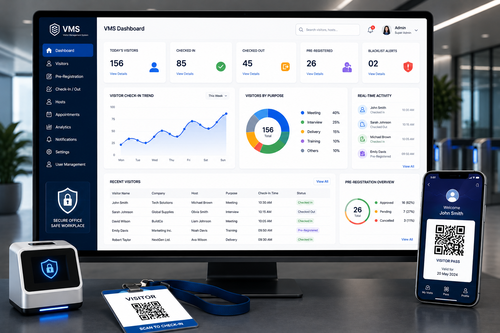
Personal Data Protection Act Visitor System Malaysia
In today’s increasingly regulated business environment, Malaysian organisations face significant obligations when it comes to protecting personal data. The Personal Data Protection Act 2010 (PDPA) sets out strict requirements for how businesses must handle and safeguard personal information, including data collected from visitors to their premises. For many organisations, managing visitor data while remaining compliant with the PDPA can be challenging, particularly when relying on manual processes or outdated systems.
A modern visitor management system designed with data protection in mind can help your organisation streamline visitor check-in processes while ensuring compliance with Malaysia’s data protection requirements. This article explores how visitor management systems support PDPA compliance and why they matter for Malaysian businesses of all sizes.
Understanding the PDPA and Visitor Data
The Personal Data Protection Act 2010 is Malaysia’s primary legislation governing the collection, use, and disclosure of personal data. Under the PDPA, personal data includes information such as names, contact details, identification numbers, and any other information that can identify an individual.
When visitors arrive at your premises, your organisation typically collects personal data as part of the visitor check-in process. This might include:
- Full name and contact information
- Identification card or passport details
- Purpose of visit and company being visited
- Date and time of arrival and departure
- Vehicle registration details (if applicable)
- Emergency contact information
All of this information is classified as personal data under the PDPA, which means your organisation has legal responsibilities regarding how you collect, store, use, and protect it.
Key PDPA Compliance Obligations for Visitor Management
Under the PDPA, organisations must adhere to several key principles when handling visitor data. Understanding these obligations is essential for maintaining compliance and avoiding potential penalties.
Collection and Consent
The PDPA requires organisations to obtain consent before collecting personal data from visitors. Consent must be voluntary, informed, and specific. When visitors arrive, they should be made aware of what data is being collected and for what purpose, and they should agree to the collection before information is recorded.
Purpose Limitation
Data collected from visitors should only be used for the purpose for which it was collected—typically for security, building access control, and visitor management. The PDPA prohibits organisations from using personal data for unrelated purposes without obtaining additional consent.
Data Security
Organisations must implement appropriate security measures to protect visitor data from unauthorised access, disclosure, or loss. This is a significant obligation, particularly for businesses that collect and store thousands of visitor records.
Data Retention and Disposal
The PDPA requires that personal data be retained only for as long as necessary. Organisations must have clear policies about how long visitor records are kept and ensure they are securely destroyed when no longer needed.
Individual Rights
Visitors have the right to request access to their personal data and may ask for corrections if the information is inaccurate. Organisations must be able to respond to these requests promptly and efficiently.
Why Manual Visitor Management Falls Short
Many Malaysian organisations still rely on paper-based visitor logbooks or basic spreadsheets to manage visitor information. While these methods are simple and low-cost, they present significant compliance risks under the PDPA.
Security vulnerabilities: Paper records can be easily lost, damaged, or accessed by unauthorised personnel. Digital spreadsheets stored on shared drives or email may not have adequate access controls or encryption.
Poor data organisation: Manual systems make it difficult to respond quickly to visitor requests for data access or corrections, which can breach PDPA requirements.
Inconsistent retention practices: Without a structured system, visitor data may be retained indefinitely or disposed of improperly, creating compliance issues.
Lack of audit trails: Manual processes do not provide clear records of who accessed visitor data and when, making it difficult to demonstrate compliance during audits.
Time-consuming administration: Staff must manually enter data, manage access, and handle data requests, which is inefficient and error-prone.
How a Visitor Management System Supports PDPA Compliance
A modern web-based visitor management system is specifically designed to address the compliance challenges associated with visitor data management. These systems help organisations collect, store, and manage visitor information in a way that aligns with PDPA requirements.
Automated Consent Management
Visitor management systems can present clear consent notices to visitors at check-in, ensuring that data collection is transparent and consensual. Visitors can review the purposes for which their data will be used before confirming their arrival.
Secure Data Storage
Unlike paper records or unprotected spreadsheets, a dedicated visitor management system uses encryption and secure servers to protect personal data. Access is restricted to authorised personnel only, reducing the risk of unauthorised disclosure.
Automated Data Retention and Deletion
The system can be configured to automatically delete visitor records after a specified retention period, ensuring compliance with PDPA requirements without requiring manual intervention.
Audit Trails and Access Logs
A proper visitor management system maintains detailed logs of all system access and data modifications. This creates a clear audit trail that demonstrates compliance and helps identify any suspicious activity.
Efficient Data Subject Rights Handling
When visitors request access to their data or ask for corrections, the system allows staff to quickly retrieve, review, and respond to these requests, ensuring compliance with PDPA timelines.
Integration with Security Protocols
Visitor management systems can be integrated with building access controls and security measures, allowing organisations to maintain consistent data practices across their premises.
Best Practices for PDPA-Compliant Visitor Management
Beyond implementing the right technology, Malaysian organisations should follow these best practices to ensure their visitor management processes are fully compliant with the PDPA:
- Develop a clear privacy policy: Create a documented policy that explains what visitor data you collect, why you collect it, how long you retain it, and how you protect it. Make this policy easily accessible to visitors.
- Train your staff: Ensure that all employees involved in visitor check-in and data management understand PDPA requirements and your organisation’s data protection procedures.
- Implement least-privilege access: Only grant employees access to visitor data that they actually need for their role. Regularly review access permissions.
- Establish a data retention schedule: Define exactly how long different types of visitor data will be retained and ensure this aligns with PDPA principles.
- Create procedures for data subject requests: Develop clear, documented processes for responding to visitor requests for data access, corrections, or deletion.
- Conduct regular data protection audits: Periodically review your visitor management practices to identify any gaps in compliance.
- Maintain documentation: Keep records of your PDPA compliance efforts, including consent records, data processing activities, and any data subject requests.
How Smart Touch Technology Can Help
Smart Touch Technology’s web visitor management system is designed with compliance and security at its core. The system provides Malaysian organisations with a practical solution for managing visitor data in line with PDPA requirements.
By using a dedicated visitor management platform, your organisation can streamline the visitor check-in process while ensuring that personal data is collected, stored, and managed responsibly. The system supports transparent consent management, secure data storage, automated retention policies, and comprehensive audit trails—all features that help demonstrate PDPA compliance.
Rather than juggling multiple systems or relying on manual processes, a single, integrated visitor management solution simplifies administration and reduces compliance risk. Your staff can focus on welcoming visitors professionally, while the system handles the technical requirements of data protection.
Want to see how this fits your organisation? Click here to request a free demo: https://www.smartouch.com.my/vms-visitor-management-system/
Conclusion
The Personal Data Protection Act 2010 places significant obligations on Malaysian organisations to protect visitor data responsibly. Manual visitor management processes create unnecessary compliance risks, security vulnerabilities, and administrative burden. A modern web-based visitor management system addresses these challenges by automating data protection practices, maintaining secure records, and providing the audit capabilities needed to demonstrate PDPA compliance.
For Malaysian businesses serious about protecting visitor data and managing their legal obligations, implementing a proper visitor management system is a practical investment. It protects both your organisation and your visitors, while streamlining operations and reducing administrative overhead.
Smart Touch Technology Pte Ltd
Singapore: www.smartouch.com.sg | +65-63964767 | sales@smartouch.com.sg
Malaysia: www.smartouch.com.my | +607-3889903 | sales@smartouch.com.my