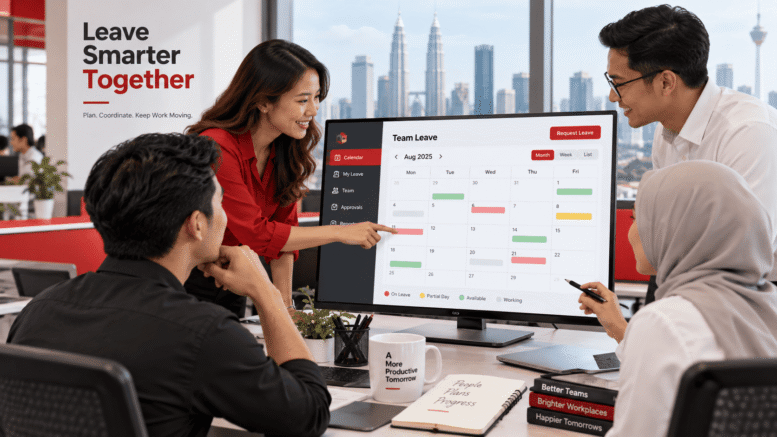
QuickHR Leave Management Review: Essential Features for Modern Malaysian Businesses
Managing employee leave can be one of the most time-consuming administrative tasks in any organisation. From tracking annual leave balances to approving requests and maintaining compliance with Malaysian employment regulations, the manual processes involved can quickly become overwhelming. This is where a dedicated leave management system becomes invaluable for businesses of all sizes.
In Malaysia, where employment laws require careful attention to leave entitlements and proper documentation, having a reliable system to manage these processes is not just a convenience—it is a business necessity. Whether you operate a small business with a handful of employees or manage a large workforce across multiple departments, the right leave management solution can transform how your organisation handles one of its most critical human resources functions.
Why Leave Management Matters in Malaysian Organisations
Leave management is far more than simply approving time off requests. It encompasses a complex web of responsibilities that affect employee satisfaction, operational efficiency, and legal compliance.
Malaysian employment law, including the Employment Act 1955 and various industry-specific regulations, sets out specific requirements for annual leave, sick leave, and other entitlements. Organisations must accurately track these entitlements, ensure employees receive what they are due, and maintain proper records. Any errors or oversights can lead to compliance issues, employee disputes, and potential penalties.
Beyond legal requirements, effective leave management directly impacts workplace productivity and employee morale. When employees can easily request leave and receive prompt decisions, they feel valued and respected. Conversely, complicated approval processes and unclear leave policies can create frustration and reduce engagement.
Common Challenges with Manual Leave Management
Many Malaysian organisations still rely on spreadsheets, email approvals, or outdated systems to manage employee leave. While these methods may seem familiar, they introduce numerous challenges that can hinder business operations.
Time-Consuming Administrative Tasks
Manual leave management requires managers and HR personnel to spend considerable time reviewing requests, calculating balances, sending approvals, and updating records. This diverts attention from more strategic HR activities and increases the risk of administrative errors.
Visibility and Tracking Issues
Without a centralised system, leave information can be scattered across different platforms and documents. This makes it difficult for managers to see who is away, plan staffing levels, or identify patterns in leave usage. Employees may also struggle to understand their current leave balances or approval status.
Compliance and Documentation Risks
Manual processes increase the likelihood of errors in leave calculations or record-keeping. This can result in unintentional breaches of employment regulations, disputed leave balances, and inadequate audit trails for compliance purposes.
Approval Bottlenecks
When leave requests depend on specific individuals being available to approve them, delays are inevitable. Employees waiting for approval creates uncertainty in their planning, and managers may feel overwhelmed by request volumes.
What an E-Leave System Should Offer
A modern e-leave system addresses these challenges by automating and centralising the entire leave management process. When evaluating a leave management solution, look for these essential features and capabilities.
Centralised Leave Request and Approval
Employees should be able to submit leave requests through a user-friendly interface, while managers can review and approve requests from anywhere. This creates a clear, auditable workflow that reduces delays and confusion.
Accurate Leave Balance Tracking
The system should automatically calculate and display current leave balances based on company policies and employment law requirements. Employees can check their balances anytime, and the system ensures balances are accurate and compliant.
Flexible Policy Configuration
Different organisations have different leave policies. A good system should allow customisation of leave types, accrual rules, carryover policies, and approval workflows to match your specific business requirements and Malaysian employment regulations.
Integration with Payroll and HR
Leave management does not operate in isolation. Integration with payroll ensures accurate salary calculations for different leave types, while integration with other HR functions creates a seamless employee information system.
Mobile Accessibility
In today’s mobile-first environment, managers and employees should be able to submit and approve leave requests from their smartphones or tablets, ensuring the system works wherever your team works.
Reporting and Analytics
Comprehensive reporting features help HR and management understand leave patterns, plan staffing more effectively, and ensure compliance with organisational policies.
How Smart Touch Technology Can Help
Smart Touch Technology’s e-leave system is specifically designed to meet the needs of Malaysian businesses. The platform simplifies leave management by automating the entire request and approval process, reducing administrative burden on your HR team while improving accuracy and compliance.
The system enables employees to submit leave requests easily and track their balances in real-time. Managers receive notifications and can approve requests promptly through an intuitive interface. The centralised platform provides HR with complete visibility into leave patterns and ensures your organisation remains compliant with employment regulations.
For a complete breakdown of features and modules, visit our product page here: https://www.smartouch.com.my/e-leave-system/
Implementing Leave Management Successfully
Rolling out a new leave management system requires thoughtful planning to ensure user adoption and maximum benefit.
Clear Communication
Inform employees and managers about the new system well in advance. Explain the benefits, how it works, and why the change is being made. Address concerns and provide clear guidance on the transition process.
Comprehensive Training
Ensure all users receive adequate training on how to use the system. This includes basic navigation for employees and more detailed training for managers and HR administrators on configuring policies and generating reports.
Gradual Rollout
Consider piloting the system with a single department before rolling it out organisation-wide. This allows you to identify issues early and refine your approach based on real-world feedback.
Data Migration and Validation
If migrating from an existing system, ensure all historical leave data is accurately transferred. Validate the data after migration to confirm balances and records are correct.
Ongoing Support
Provide ongoing support to users as they become familiar with the system. Address questions promptly and gather feedback for continuous improvement.
The Business Impact of Effective Leave Management
Implementing a modern e-leave system delivers tangible benefits to your organisation.
- Reduced Administrative Costs: Automation significantly reduces the time HR and management spend on leave-related tasks, freeing resources for more strategic initiatives.
- Improved Employee Satisfaction: Employees appreciate the transparency and convenience of a digital system. Faster approvals and easy balance tracking enhance their experience.
- Better Staffing Planning: Real-time visibility into who is away and when enables more effective workforce planning and scheduling.
- Enhanced Compliance: Automated calculations and audit trails help ensure your organisation meets Malaysian employment law requirements and reduces compliance risks.
- Data-Driven Insights: Reporting and analytics provide insights into leave patterns that can inform policy decisions and identify trends.
- Reduced Errors: Automation eliminates manual calculation errors and ensures consistent application of leave policies.
Conclusion
Leave management is a critical function in any organisation, and the methods you use to manage it significantly impact operational efficiency, employee satisfaction, and legal compliance. Manual processes and outdated systems are no longer adequate for modern Malaysian businesses. An e-leave system streamlines the entire process, from request submission to approval and reporting, creating a more efficient, accurate, and user-friendly experience for everyone involved.
By investing in a dedicated leave management solution, you demonstrate your commitment to supporting your employees while improving your organisation’s operational effectiveness. The time and cost savings, combined with enhanced compliance and employee satisfaction, make modern leave management a smart investment for any business.
Smart Touch Technology Pte Ltd
Singapore: www.smartouch.com.sg | +65-63964767 | sales@smartouch.com.sg
Malaysia: www.smartouch.com.my | +607-3889903 | sales@smartouch.com.my