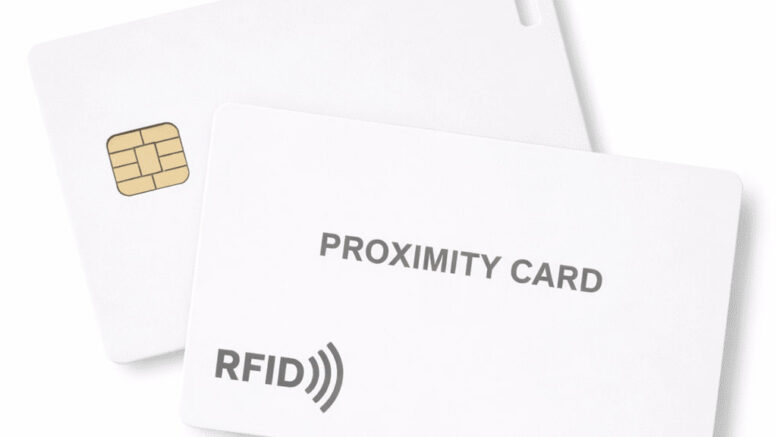
As businesses and buildings across Malaysia continue modernizing their security infrastructure, contactless access technologies have become essential for improving workplace safety, operational efficiency, and user convenience. Traditional lock-and-key systems, manual sign-ins, and outdated access methods are increasingly being replaced by intelligent access control solutions that provide faster authentication, stronger security, and seamless building management.
One of the most widely adopted technologies in modern access control systems is the use of contactless proximity cards.
Contactless proximity cards offer secure and convenient authentication for offices, factories, warehouses, residential developments, healthcare facilities, educational institutions, and commercial buildings. By allowing users to access buildings and restricted areas simply by tapping or presenting a card near a reader, these systems provide touch-free operation while improving access management and workplace efficiency.
This article explores how contactless proximity cards are transforming security and workforce management in Malaysia and why businesses are increasingly adopting smart contactless access solutions.
What Are Contactless Proximity Cards?
Contactless proximity cards are electronic access credentials that use radio-frequency identification (RFID) or near-field communication (NFC) technology to communicate wirelessly with access control readers.
Unlike traditional magnetic stripe cards or physical keys, proximity cards do not require direct contact with the reader.
Users simply:
- Tap the card
- Hold it near the reader
- Walk through access points
The system automatically verifies the credential and grants access if permissions are authorized.
Contactless proximity cards are commonly used for:
- Building entry
- Door access control
- Turnstile authentication
- Lift access systems
- Parking access
- Employee attendance tracking
- Visitor management
Modern businesses prefer contactless access because it combines security, convenience, and operational efficiency.
Why Businesses Are Moving Toward Contactless Access Systems
Traditional access methods create several operational and security challenges including:
- Lost physical keys
- Password sharing
- Slow manual verification
- Access bottlenecks
- Poor attendance tracking
- Security vulnerabilities
Modern workplaces now prioritize:
- Fast authentication
- Touchless convenience
- Centralized management
- Real-time monitoring
- Smart building integration
Contactless proximity cards address these requirements while improving both user experience and security control.
Benefits of Contactless Proximity Cards
1. Fast and Convenient Access
One of the biggest advantages of proximity cards is speed.
Users can gain access within seconds simply by presenting the card near a reader.
This improves:
- Employee convenience
- Visitor flow
- Operational efficiency
- Traffic management
Fast authentication is especially valuable in busy environments such as:
- Corporate offices
- Factories
- Transportation hubs
- Commercial towers
- Educational campuses
Quick access reduces waiting time and improves workplace productivity.
Touchless and Hygienic Operation
Modern workplaces increasingly prioritize touchless technology for hygiene and safety purposes.
Contactless proximity cards allow users to authenticate without touching shared devices or readers.
This reduces physical contact while improving:
- Workplace hygiene
- User comfort
- Entry efficiency
- Employee confidence
Touchless access systems have become increasingly popular in smart offices and modern commercial buildings throughout Malaysia.
Enhanced Building Security
Contactless access systems significantly improve building security compared to traditional keys or manual entry systems.
Proximity cards help organizations:
- Restrict unauthorized access
- Monitor employee movement
- Secure sensitive areas
- Protect confidential information
- Reduce security breaches
Unlike physical keys that can be copied easily, access cards can be digitally managed and controlled centrally.
This strengthens overall building security and operational accountability.
Real-Time Access Monitoring
Modern proximity card systems provide detailed digital records that track:
- Entry times
- Exit records
- User identities
- Access attempts
- Unauthorized activity
Real-time monitoring allows security managers to quickly identify suspicious behavior or investigate incidents.
Digital activity logs improve transparency and strengthen workplace security management.
Organizations gain greater visibility over workforce movement and building access activities.
Improved Employee Attendance Tracking
Many businesses integrate proximity card systems with attendance management software.
Employees can use the same card for:
- Building entry
- Attendance recording
- Department access
- Parking access
Automated attendance tracking improves:
- Payroll accuracy
- Overtime calculations
- Workforce accountability
- HR reporting
This eliminates manual attendance errors and reduces administrative workload for HR departments.
Better Access Permission Management
Contactless access systems provide centralized access management capabilities.
Administrators can:
- Assign user permissions
- Restrict specific areas
- Set access schedules
- Manage temporary access
- Disable lost cards instantly
This flexibility allows businesses to customize access control based on:
- Employee roles
- Departments
- Security requirements
- Operational schedules
Centralized management improves both security and operational efficiency.
Reduced Risk of Lost Key Problems
Traditional keys create operational difficulties when they are:
- Lost
- Stolen
- Misplaced
- Copied
Replacing physical locks can be expensive and disruptive.
Contactless proximity cards solve this issue because lost cards can be:
- Deactivated immediately
- Replaced quickly
- Reprogrammed securely
This improves operational flexibility while reducing long-term security management costs.
Integration with Smart Building Systems
Modern proximity card systems integrate seamlessly with:
- CCTV surveillance
- Alarm systems
- Visitor management platforms
- Elevator access control
- Biometric systems
- Building automation systems
Integrated ecosystems provide centralized security management and improve operational coordination.
Smart building integration supports future-ready workplace environments.
Suitable for Multiple Industries
Contactless proximity cards are widely used across industries in Malaysia including:
Corporate Offices
Secure office environments and improve workforce management.
Manufacturing
Control access to production and hazardous areas.
Warehousing and Logistics
Secure inventory storage and operational zones.
Healthcare
Protect restricted medical facilities and patient records.
Education
Manage student and staff access efficiently.
Hospitality
Improve guest and employee access management.
Residential Communities
Enhance condominium and gated community security.
Cloud-Based Access Management
Cloud-enabled access systems allow businesses to manage security remotely through centralized online platforms.
Cloud-based management enables administrators to:
- Monitor access activities remotely
- Update permissions instantly
- Manage multiple locations
- Generate reports
- Receive security alerts
Cloud infrastructure improves operational flexibility and scalability for growing businesses.
Multi-branch organizations especially benefit from centralized cloud access management.
Enhanced Visitor and Contractor Management
Businesses often require controlled access for visitors, contractors, and vendors.
Contactless card systems simplify visitor management through:
- Temporary access cards
- Scheduled permissions
- Visitor activity tracking
- Automated access expiration
This improves security while reducing administrative burden for front desk and security teams.
Controlled visitor access is especially important for high-security facilities.
Scalable for Growing Businesses
Modern proximity card systems are highly scalable and suitable for organizations of all sizes.
Businesses can expand systems easily to support:
- More employees
- Additional access points
- Multiple buildings
- New branches
- Advanced security features
Scalable infrastructure allows organizations to grow without replacing their existing security systems.
This makes contactless access solutions valuable long-term investments.
Improved Workplace Experience
Modern employees expect fast, digital, and seamless workplace experiences.
Contactless proximity cards contribute to improved employee satisfaction by offering:
- Faster entry
- Touchless convenience
- Reduced waiting time
- Simplified authentication
Professional access systems also create stronger impressions for clients, visitors, and business partners.
Smart workplace environments support modern organizational branding and operational efficiency.
Data Security and Compliance
Modern access systems prioritize secure data management through:
- Data encryption
- Secure cloud storage
- User access controls
- Audit logs
- Backup protection
Digital access records support:
- Security audits
- Compliance reporting
- Incident investigations
- Workforce monitoring
Businesses improve operational transparency and strengthen security governance.
AI and Biometric Integration
Many proximity card systems now integrate with advanced technologies such as:
- Face recognition
- Fingerprint verification
- Mobile credentials
- AI-powered analytics
- Smart visitor automation
Hybrid access ecosystems provide stronger security while supporting future-ready smart building environments.
Organizations adopting advanced technologies improve operational modernization and scalability.
Supporting Malaysia’s Smart Building Transformation
Malaysia is rapidly adopting smart building technologies and intelligent infrastructure solutions.
Modern commercial buildings increasingly integrate:
- IoT systems
- Cloud-based management
- AI-powered security
- Smart access control
- Intelligent monitoring
Contactless proximity cards play a central role in these digital transformation initiatives by enabling secure and efficient authentication.
Businesses investing in smart access technologies improve future readiness and operational competitiveness.
Cost Savings Through Access Automation
Manual security management often creates hidden operational costs related to:
- Physical key replacement
- Security staffing
- Administrative labor
- Access errors
- Attendance discrepancies
Automated access systems reduce these inefficiencies while improving operational consistency.
Long-term savings often include:
- Reduced administrative workload
- Improved payroll accuracy
- Lower maintenance costs
- Better workforce productivity
The return on investment for contactless access systems is often substantial.
The Future of Contactless Access Technology
Access control technology continues evolving rapidly with innovations such as:
- Mobile phone credentials
- AI-powered access analytics
- Facial recognition systems
- Cloud-based authentication
- Smart building integration
- Multi-factor authentication
Future access systems will become increasingly intelligent, touchless, and automated.
Organizations adopting modern contactless technologies today will be better prepared for future workforce and security demands.
Why Malaysian Businesses Choose Contactless Proximity Cards
Organizations throughout Malaysia increasingly choose contactless proximity card systems because they provide:
- Fast authentication
- Enhanced security
- Touchless convenience
- Real-time monitoring
- Smart building integration
- Cloud accessibility
- Workforce accountability
- Scalable infrastructure
These advantages make proximity cards essential for modern business security and workforce management strategies.
Conclusion
Contactless proximity cards have become one of the most effective solutions for modern access control and workforce management in Malaysia.
By combining touchless convenience, fast authentication, centralized management, and enhanced security, these systems help businesses improve operational efficiency while protecting employees, assets, and facilities.
From offices and factories to healthcare facilities, residential buildings, and commercial towers, contactless proximity card systems provide reliable and future-ready access management solutions.
As Malaysia continues advancing toward smart buildings and digital transformation, contactless access technologies will remain essential components of intelligent and secure workplace environments.
Organizations seeking secure, scalable, and highly efficient access control solutions can greatly benefit from implementing modern contactless proximity card systems as part of their long-term security and operational strategy.
For more information about the product, please click here: https://www.smartouch.com.my/category/time-clock/proximity-card/
Smart Touch technology pte ltd , www.smartouch.com.sg +65-63964767, sales@smartouch.com.sg , www.smartouch.com.my +607-3889903 sales@smartouch.com.my