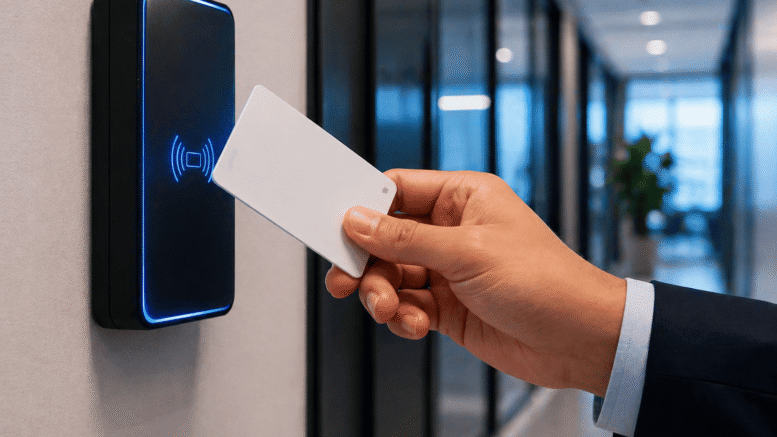
In today’s modern business environment, office security has become a top priority for organizations of all sizes. Companies are increasingly investing in advanced access control technologies to protect employees, sensitive data, equipment, and business assets. Traditional lock-and-key systems are no longer sufficient to meet modern security requirements. Businesses now demand smarter, faster, and more secure access management solutions.
One of the most reliable and widely adopted technologies for workplace access control is the Proximity Card System. Organizations across Malaysia and Singapore are implementing proximity cards to strengthen office security, improve employee access management, and streamline building entry operations.
Choosing the Best Proximity Card for Office Security is essential for businesses seeking enhanced protection, operational efficiency, and scalable security solutions. Whether for corporate offices, factories, government facilities, hospitals, educational institutions, or commercial buildings, proximity card technology provides a secure and convenient access control solution.
This article explores what proximity cards are, how they work, their key benefits, common applications, different types of proximity cards, and why businesses are upgrading to modern access control systems.
What Is a Proximity Card?
A Proximity Card, commonly known as a prox card, is a contactless smart access card used for identification and secure entry into restricted areas. The card communicates wirelessly with an access control reader using radio frequency identification (RFID) technology.
When a user places the card near the reader, the system verifies authorization and grants or denies access automatically.
Unlike traditional keys or magnetic stripe cards, proximity cards do not require physical contact with the reader. This makes them more convenient, durable, and secure for daily office use.
Proximity card systems are commonly integrated with:
- Door access control systems
- Attendance tracking systems
- Visitor management systems
- Elevator access systems
- Parking access systems
- Building security systems
Modern proximity card technology is now a critical part of smart office infrastructure.
Why Businesses Need Proximity Card Security Systems
Traditional office security methods often create operational challenges and security vulnerabilities.
Common problems with manual key systems include:
- Lost or duplicated keys
- Unauthorized access
- Difficult key management
- High lock replacement costs
- No access tracking
- Limited security control
Proximity card systems solve these issues by providing centralized digital access management and real-time monitoring capabilities.
Businesses benefit from improved security, easier administration, and enhanced operational efficiency.
How Proximity Cards Work
A proximity card contains an embedded RFID chip and antenna that store a unique identification number.
The access control process works as follows:
- The user places the card near the reader.
- The RFID reader detects the card signal.
- The system verifies the user’s credentials.
- Access is granted or denied based on authorization settings.
- The transaction is recorded in the system database.
This process takes only a few seconds, allowing fast and seamless entry management.
Modern systems can also support:
- Multi-factor authentication
- Time-based access permissions
- Department-specific access rights
- Anti-passback security
- Real-time activity monitoring
Key Features of the Best Proximity Card Systems
Organizations should evaluate several important features when selecting proximity card solutions for office security.
1. Contactless Access Technology
Contactless RFID technology allows users to access doors without swiping or inserting cards.
Benefits include:
- Faster access
- Reduced wear and tear
- Improved hygiene
- Convenient operation
- Better user experience
Contactless systems are especially valuable in high-traffic office environments.
2. Secure Access Control Management
Modern access control systems allow administrators to manage user permissions centrally.
Organizations can easily:
- Add or remove users
- Configure access schedules
- Restrict sensitive areas
- Monitor access activity
- Revoke lost cards instantly
This improves overall workplace security and administrative efficiency.
3. Real-Time Access Monitoring
Advanced systems provide real-time visibility into employee and visitor movements.
Administrators can track:
- Entry and exit times
- Unauthorized access attempts
- Door activity logs
- Employee attendance
- Security incidents
Real-time monitoring improves workplace accountability and incident management.
4. Multi-Door and Multi-Location Support
Businesses with multiple offices or departments require scalable access control solutions.
Modern proximity card systems support:
- Multiple building locations
- Centralized management
- Department-based access rights
- Remote monitoring
- Cloud-based administration
Scalable systems are ideal for growing organizations.
5. Integration with Attendance Systems
Many businesses integrate proximity cards with attendance management systems.
Employees can use the same card for:
- Office entry
- Attendance clocking
- Parking access
- Cafeteria payments
- Printer authentication
Integrated systems reduce operational complexity and improve efficiency.
6. Audit Trails and Reporting
Comprehensive access logs help organizations maintain detailed security records.
Reports may include:
- Access history
- User activity
- Security violations
- Attendance summaries
- Door usage analytics
Audit trails support compliance and security investigations.
Types of Proximity Cards for Office Security
Different types of proximity cards are available depending on security requirements and organizational needs.
Low-Frequency RFID Cards
Low-frequency (LF) cards typically operate at 125 kHz.
These cards are:
- Cost-effective
- Widely used
- Suitable for standard office access
- Easy to deploy
LF cards are commonly used in small and medium-sized businesses.
High-Frequency Smart Cards
High-frequency (HF) cards operate at 13.56 MHz and offer enhanced security features.
Benefits include:
- Better encryption
- Higher data storage capacity
- Multi-application support
- Improved authentication security
HF smart cards are suitable for organizations requiring stronger security protection.
MIFARE Smart Cards
MIFARE cards are among the most popular smart card technologies used in modern offices.
Features include:
- High-level encryption
- Fast processing speed
- Multi-purpose functionality
- Secure authentication
MIFARE cards are widely used in corporate offices, universities, and government facilities.
NFC-Enabled Access Cards
Near Field Communication (NFC) technology enables smartphones and smart devices to function as access credentials.
Businesses can use mobile-based access systems to improve convenience and reduce physical card dependency.
Mobile credentials are becoming increasingly popular in smart office environments.
Benefits of Using Proximity Cards for Office Security
Implementing a proximity card system provides numerous operational and security advantages.
Enhanced Security
Proximity cards provide stronger protection compared to traditional keys.
Security benefits include:
- Unique encrypted credentials
- Access restriction control
- Real-time monitoring
- Reduced unauthorized access
- Instant card deactivation
This significantly improves workplace security management.
Improved Convenience
Employees can enter secured areas quickly without manually unlocking doors.
Fast and seamless access improves operational efficiency and user experiences.
Reduced Administrative Burden
Managing physical keys can be time-consuming and expensive.
Digital access systems simplify administration by allowing centralized user management and automated access control.
Better Employee Accountability
Access logs provide clear records of employee entry and exit activity.
This improves accountability while supporting attendance tracking and security investigations.
Cost Savings
Although initial implementation costs may be higher than traditional lock systems, proximity card systems reduce long-term expenses associated with:
- Key duplication
- Lock replacement
- Security incidents
- Administrative workload
The system delivers strong long-term operational value.
Industries Using Proximity Card Systems
Proximity card access control systems are widely used across many industries.
Corporate Offices
Businesses use proximity cards to secure office entrances, meeting rooms, data centers, and restricted departments.
Manufacturing Facilities
Factories require secure access control for production areas, warehouses, and staff entrances.
Proximity cards help improve workforce security and operational control.
Educational Institutions
Schools and universities use smart cards for campus access, attendance tracking, and student identification.
Healthcare Facilities
Hospitals and clinics use access control systems to protect restricted medical areas and patient information.
Government Buildings
Government facilities require high-security access management systems to protect sensitive information and infrastructure.
Residential and Commercial Buildings
Condominiums and commercial buildings use proximity cards for resident and tenant access management.
Cloud-Based Access Control Systems
Cloud technology is transforming office security management.
Cloud-based access control systems provide:
- Remote access management
- Real-time monitoring
- Multi-site administration
- Automatic software updates
- Scalable infrastructure
- Improved operational flexibility
Organizations can manage office security from anywhere using cloud platforms.
Mobile Access Control Solutions
Modern office security systems increasingly support mobile access credentials.
Employees can use smartphones for:
- Door entry
- Visitor access
- Meeting room access
- Parking entry
Mobile access solutions improve convenience while reducing dependency on physical cards.
Smart Office Integration
Modern proximity card systems can integrate with:
- CCTV systems
- Visitor management platforms
- Attendance systems
- Elevator access control
- Parking systems
- Smart building automation
Integrated ecosystems provide centralized security management and improved operational efficiency.
Choosing the Best Proximity Card System
Organizations should evaluate several factors before selecting an office access control solution.
Security Level
Choose systems with strong encryption and authentication capabilities.
Higher-security environments may require smart card technology with advanced encryption.
Scalability
The system should support future business expansion and additional users.
Scalable systems provide long-term flexibility.
Integration Capability
Ensure compatibility with existing:
- HR systems
- Attendance systems
- Security infrastructure
- Building management systems
Integrated systems improve operational efficiency.
Ease of Management
User-friendly software simplifies administration and reduces training requirements.
Centralized management platforms improve operational convenience.
Technical Support
Reliable local support and maintenance services are essential for uninterrupted security operations.
Organizations in Malaysia and Singapore benefit from providers offering fast technical assistance and system maintenance.
Future of Office Security Systems
The future of office security is increasingly driven by digital transformation, automation, and artificial intelligence.
Emerging trends include:
- Facial recognition access
- Mobile credential authentication
- AI-powered security analytics
- Biometric verification
- Cloud-based security ecosystems
- Smart building integration
- Contactless workplace environments
Organizations investing in modern access control systems today will be better prepared for future security challenges and smart office requirements.
Conclusion
Choosing the Best Proximity Card for Office Security is essential for businesses seeking stronger protection, operational efficiency, and modern workplace access management.
Traditional lock-and-key systems are no longer sufficient for today’s evolving security requirements. Proximity card technology provides secure, contactless, and scalable access control solutions that improve workplace safety and user convenience.
Across Malaysia and Singapore, businesses are increasingly adopting smart access control systems to support digital transformation and strengthen office security infrastructure.
By implementing advanced proximity card solutions, organizations can improve access management, reduce security risks, enhance operational efficiency, and prepare for the future of smart workplace security.
For more information about the product, please click here: https://www.smartouch.com.my/category/time-clock/proximity-card/
Smart Touch technology pte ltd , www.smartouch.com.sg +65-63964767, sales@smartouch.com.sg , www.smartouch.com.my +607-3889903 sales@smartouch.com.my