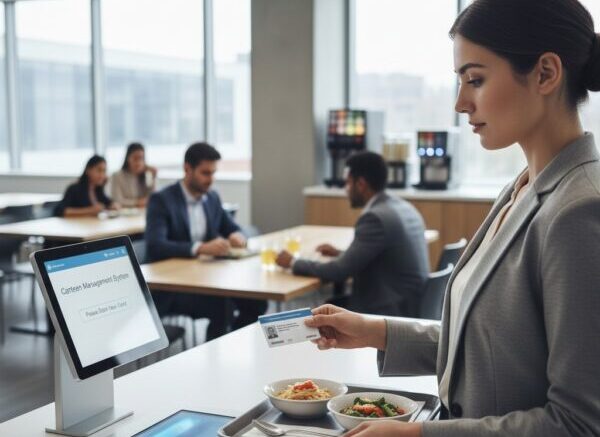
A digital canteen system in Malaysia is transforming the way schools, factories, offices, hospitals, universities, commercial buildings, and large organizations manage daily meal operations. Traditional canteen management often depends on cash payments, manual ordering, handwritten records, long queues, uncertain stock planning, and slow reporting. As organizations move toward smarter and more efficient operations, digital canteen technology provides a practical solution that improves convenience, speed, hygiene, transparency, and control.
In Malaysia, canteens serve thousands of people every day. Students buy meals during short recess periods. Factory workers need fast lunch service during shift breaks. Office staff want simple cashless payment options. Hospitals and institutions need organized meal entitlement systems. Property managers want better visibility over vendors, transactions, and food consumption. A well-designed digital canteen system Malaysia solution helps bring all these needs into one reliable platform.
At Smart Touch Technology, we understand that a canteen is not only a place to buy food. It is part of daily life, workplace productivity, student welfare, employee satisfaction, and facility management. A smart canteen system helps reduce manual workload, improve payment accuracy, shorten waiting time, support healthier planning, and create a better dining experience for users and operators.
What Is a Digital Canteen System?
A digital canteen system is an integrated technology solution used to manage food ordering, payment, meal entitlement, vendor sales, user accounts, transaction records, reporting, and canteen operations. Instead of relying only on cash and manual records, users can order and pay through digital tools such as smart cards, QR codes, mobile apps, RFID cards, employee ID cards, student cards, e-wallet integration, kiosk terminals, or online ordering platforms.
The system can be customized for different environments. In a school, students may use a prepaid card to buy meals, while parents can top up the account and view spending history. In a factory, employees may receive meal subsidies or meal allowances linked to their staff ID. In an office building, staff may order food in advance and pay digitally. In a hospital or institution, meal entitlement can be managed based on department, shift, or user category.
A digital canteen system helps connect users, canteen operators, administrators, and finance teams through one organized platform. This makes daily meal management faster, more accurate, and easier to monitor.
Why Digital Canteen Systems Are Growing in Malaysia
Malaysia is becoming more digital in daily transactions, workplace operations, school administration, and facility management. Cashless payment is now widely accepted, and many organizations prefer systems that reduce manual handling and provide accurate digital records. A digital canteen system supports this trend by making food ordering and payment more modern and efficient.
In busy canteens, long queues are a common problem. When users need to choose food, wait for pricing, make payment, receive change, and collect meals within a short break time, delays can quickly happen. Digital payment and pre-ordering help reduce waiting time. Users can complete transactions faster, and vendors can serve more people within the same period.
Manual cash handling can also create problems such as wrong change, missing records, slow reconciliation, and security risks. With a digital canteen system, every transaction is recorded automatically. Administrators can review sales, top-ups, usage, refunds, subsidies, and vendor performance with clearer accuracy.
For schools, digital canteen systems also help parents monitor children’s spending. For companies, they help manage employee meal benefits. For factories, they help improve meal distribution during shift changes. For institutions, they support accountability and reporting.
Key Features of a Digital Canteen System Malaysia
A professional digital canteen system should include practical features that support both users and administrators. One of the most important features is cashless payment. Users can pay using RFID cards, staff cards, student cards, QR codes, prepaid accounts, or other digital payment methods. This reduces the need for cash and makes transactions faster.
Pre-ordering is another valuable feature. Users can select meals in advance through a kiosk, web portal, or mobile platform. This helps vendors prepare the right quantity of food and reduces food waste. It also helps users collect meals faster during lunch or break time.
Account management allows administrators to create and manage user profiles. For schools, each student can have a meal account linked to a parent top-up system. For companies, each employee can have a meal account linked to salary, subsidy, or staff benefits. For institutions, user categories can be managed based on meal entitlement.
Reporting and analytics are essential for canteen control. Management can view daily sales, transaction history, top-up records, popular food items, peak hours, vendor performance, outstanding balances, and subsidy usage. These reports help improve decision-making and financial transparency.
Meal subsidy management is useful for companies, factories, hospitals, and large organizations. The system can apply subsidies automatically based on user type, department, meal time, shift, or allowance policy. This reduces manual calculation and prevents mistakes.
Digital Canteen System for Schools in Malaysia
Schools are one of the most important places for digital canteen systems. A school canteen must serve many students within a short recess or lunch period. Manual cash payment can slow down service and make it difficult for parents to know what their children are buying.
With a digital canteen system for schools, students can use a prepaid student card or QR code to purchase meals. Parents can top up the account and monitor spending history. Schools can set daily spending limits, restrict certain items, and improve overall canteen transparency.
This system helps reduce the need for students to carry cash. It also reduces the risk of lost money, incorrect change, and overspending. For younger students, a cashless canteen system provides a simpler and safer way to buy food.
Schools can also use digital ordering to improve meal planning. If students pre-order meals, canteen operators can prepare food based on actual demand. This reduces waste and helps ensure that students receive their preferred meals.
Digital Canteen System for Factories and Industrial Sites
Factories and industrial facilities in Malaysia often operate with large numbers of employees and multiple shifts. Meal breaks are time-sensitive, and canteen queues can affect productivity. A digital canteen system helps factories manage staff meals more efficiently.
Employees can use their staff ID cards, RFID cards, or QR codes to purchase meals. If the company provides meal subsidies, the system can automatically calculate the subsidy amount during payment. This makes the process faster and more accurate.
For factories with shift workers, the system can control meal entitlement by shift schedule. For example, morning shift, afternoon shift, and night shift employees may have different meal allowances or meal times. The system can manage these rules automatically.
Factory management can also view detailed reports on meal consumption, vendor sales, staff usage, and subsidy claims. This improves cost control and reduces manual paperwork for HR, finance, and administration departments.
Digital Canteen System for Offices and Corporate Buildings
Office employees value convenience and speed during lunch breaks. A digital canteen system helps corporate buildings provide a better dining experience by offering pre-ordering, cashless payment, and faster collection.
Staff can browse available meals, place orders before lunch, and collect food at the selected time. This reduces waiting time and helps canteen vendors prepare more efficiently. For companies that offer staff meal benefits, the system can apply allowances or discounts automatically.
Corporate canteens can also use digital reports to understand employee food preferences, peak purchase times, and vendor performance. This helps improve food variety, service quality, and operational planning.
In multi-tenant office buildings, the system can support different companies, departments, vendors, and payment rules. This creates a flexible canteen management platform suitable for modern workplace environments.
Digital Canteen System for Hospitals and Healthcare Facilities
Hospitals, clinics, and healthcare facilities often need structured meal management for staff, patients, visitors, and vendors. A digital canteen system can help organize food ordering and payment while supporting different user groups.
Hospital staff may receive meal subsidies based on department or shift. Patients may require meal ordering based on dietary needs. Visitors may use cashless payment for cafeteria purchases. A digital system helps manage these different requirements more clearly.
For healthcare environments, efficient meal service is important because staff schedules can be demanding. Pre-ordering and cashless payment can help reduce delays and improve user satisfaction.
Digital Canteen System for Universities and Colleges
Universities and colleges often have large campuses with students, lecturers, staff, visitors, and multiple food vendors. A digital canteen system helps centralize transactions and improve service across campus food outlets.
Students can pay using campus cards, QR codes, or digital accounts. Food vendors can receive orders digitally and manage sales more efficiently. Administrators can track canteen performance, user spending, and vendor activity through reports.
For campus environments, the system can also support loyalty programs, meal packages, prepaid balances, and event meal distribution. This makes it a flexible solution for modern education institutions.
Cashless Payment for Faster and Safer Transactions
One of the main advantages of a digital canteen system is cashless payment. Cashless transactions reduce the need to handle physical money, speed up checkout, and improve payment accuracy. In busy canteens, this can make a major difference.
Cashless payment also improves hygiene because users and vendors do not need to exchange cash frequently. It reduces counting errors and helps canteen operators close daily accounts faster.
For administrators, cashless records provide better transparency. Every transaction can be tracked by user, vendor, date, time, item, and amount. This makes it easier to manage disputes, refunds, and financial reporting.
Pre-Ordering and Queue Reduction
Long queues are one of the biggest challenges in canteen operations. A digital canteen system can reduce queues through pre-ordering. Users can order meals before arriving at the canteen, allowing vendors to prepare food in advance.
This is especially useful in schools, factories, and offices where meal breaks are short. Instead of spending most of the break waiting in line, users can collect their meals quickly and enjoy more time to eat.
Pre-ordering also helps vendors plan food preparation more accurately. They can estimate demand, reduce overproduction, and improve freshness. This creates benefits for both users and canteen operators.
Better Canteen Vendor Management
Many large facilities have multiple food vendors operating in the same canteen. Without a digital system, it can be difficult to track individual vendor sales, rental calculations, commission, food popularity, and service performance.
A digital canteen system allows each vendor to manage orders and transactions through the system. Management can review vendor sales reports, compare performance, monitor peak hours, and ensure better accountability.
This helps property managers and administrators make better decisions about vendor selection, menu planning, pricing, and canteen improvements.
Meal Subsidy and Allowance Management
For companies and factories, staff meal subsidies can be difficult to manage manually. Different employees may have different entitlement levels, and subsidies may depend on shift, department, workday, or meal type.
A digital canteen system can automate this process. When an employee makes a purchase, the system applies the correct subsidy based on predefined rules. This reduces errors and prevents misuse.
Finance and HR teams can generate reports for subsidy usage, employee spending, vendor claims, and monthly reconciliation. This saves time and improves financial control.
Parent Monitoring and Student Spending Control
For schools, one of the most valuable features is parent monitoring. Parents can view what their children purchase, how much they spend, and when transactions occur. This helps parents guide spending habits and ensure children are using their meal allowance properly.
Schools can also set rules such as daily spending limits or restricted item categories. This gives parents and school administrators better control over student canteen purchases.
A digital canteen system creates a more transparent relationship between the school, parents, students, and canteen operators.
Integration with Access Control, Time Attendance, and ID Systems
A digital canteen system can be integrated with existing staff ID cards, student cards, access control systems, and time attendance platforms. This makes the system easier to adopt because users can use one card or identity credential for multiple purposes.
For example, an employee card can be used for door access, attendance recording, and canteen payment. A student card can be used for library access, attendance, and meal purchases. This creates a more convenient and unified digital environment.
Integration also improves administrative efficiency because user information can be managed centrally.
Reporting and Data Insights for Smarter Decisions
Digital reports help management understand canteen operations clearly. Instead of guessing which meals are popular or manually counting sales, administrators can view real data from the system.
Reports may include daily transaction summary, top-selling items, vendor sales, user spending, subsidy claims, meal collection status, refund records, top-up history, and peak purchase times.
These insights help improve menu planning, reduce waste, manage budgets, and improve customer satisfaction.
Choosing the Right Digital Canteen System Supplier in Malaysia
Choosing the right supplier is important because every canteen has different requirements. A school canteen is different from a factory canteen. A corporate cafeteria is different from a hospital food service environment. The system must be designed according to user volume, payment method, meal process, vendor structure, reporting needs, and future expansion plans.
A professional supplier should provide consultation, system customization, hardware supply, software setup, installation, training, and after-sales support. The supplier should also understand local Malaysian operational needs, including schools, industrial sites, offices, and commercial buildings.
Smart Touch Technology provides digital canteen system solutions for schools, factories, offices, hospitals, universities, commercial buildings, and institutional facilities in Malaysia and Singapore. Our solutions are designed to simplify canteen operations, improve payment speed, support cashless transactions, and provide better management control.
Why Smart Touch Technology for Digital Canteen System Malaysia
Smart Touch Technology focuses on practical, reliable, and user-friendly digital solutions. Our digital canteen system can be customized to support cashless payment, prepaid accounts, RFID cards, QR code payment, meal pre-ordering, vendor management, subsidy control, student spending monitoring, staff meal allowance, transaction reporting, and system integration.
We understand that canteen operations must be fast and dependable. During lunch and break times, the system must handle high transaction volume without delays. Our solutions are designed to improve daily workflow and reduce manual workload for administrators and canteen operators.
Whether we are helping a school reduce cash handling, a factory manage employee meal subsidies, an office improve lunch ordering, or a hospital organize staff meals, Smart Touch Technology provides solutions that support real operational needs.
Conclusion: Build a Smarter Canteen with Digital Technology
A digital canteen system in Malaysia is a powerful solution for organizations that want to improve food ordering, cashless payment, meal management, vendor control, and reporting. It helps reduce queues, improve hygiene, prevent payment errors, support parent monitoring, manage staff subsidies, and create a better dining experience.
For schools, factories, offices, hospitals, universities, and commercial facilities, digital canteen technology brings greater efficiency and transparency. It helps users enjoy faster service while giving management better control over transactions, reports, and daily operations.
Smart Touch Technology is ready to provide reliable digital canteen system solutions across Malaysia and Singapore. With the right system, we can create a smarter, safer, faster, and more organized canteen environment for everyone.
You can read more about our compliance features by https://www.smartouch.com.my/canteen-management-system-2/.
Smart Touch technology pte ltd , www.smartouch.com.sg +65-63964767, sales@smartouch.com.sg , www.smartouch.com.my +607-3889903 sales@smartouch.com.my