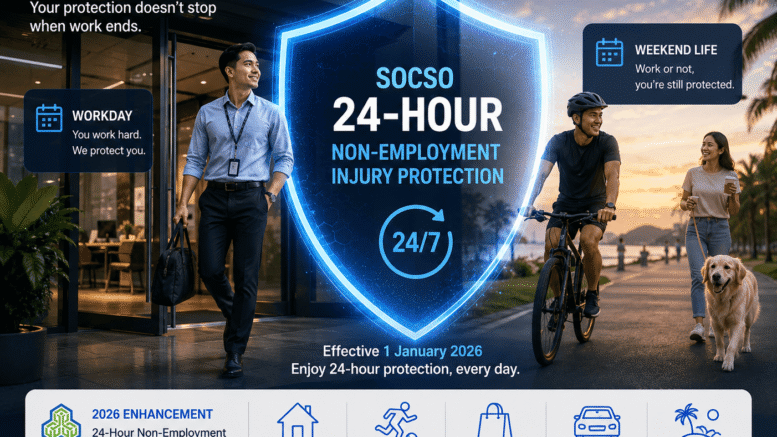
SOCSO Contribution Table: What Malaysian Employers Need To Know
Managing employee benefits and statutory contributions is a critical responsibility for Malaysian employers. The Social Security Organisation (SOCSO) contribution table is one of the most important compliance requirements that businesses must understand and implement correctly. Whether you operate a small business or manage a large workforce, knowing how to calculate and remit SOCSO contributions is essential for protecting your employees and maintaining legal compliance.
In this guide, we’ll explore everything you need to know about SOCSO contributions, how the contribution table works, and why getting it right matters for your business.
What Is SOCSO and Why Does It Matter?
SOCSO, officially known as the Employees’ Provident Fund (EPF) and SOCSO (the social security body), provides comprehensive social security coverage for Malaysian employees. This includes protection against workplace injuries, occupational diseases, disabilities, and other employment-related risks.
As an employer, you are legally required to register eligible employees with SOCSO and make regular contributions based on their wages. These contributions are split between employer and employee contributions, and the amounts depend on several factors including employee salary and contribution class.
Understanding the SOCSO contribution table is not just about compliance—it’s about protecting your employees and avoiding penalties or legal issues that could impact your business operations.
Understanding the SOCSO Contribution Table
The SOCSO contribution table outlines the specific contribution rates and amounts that employers and employees must pay based on monthly wages. The table is structured by contribution class and wage brackets, making it essential to understand which category your employees fall into.
Contribution Classes
SOCSO uses different contribution classes to categorise employees based on their type of work and employment status. The main contribution classes include:
- Class 1 – Employees in manual labour or similar occupations
- Class 2A – Non-manual employees earning below a certain threshold
- Class 2B – Non-manual employees earning above a certain threshold
- Class 3 – Self-employed individuals
Each class has different contribution rates, and employees may move between classes based on changes in their job role or salary.
How Wage Brackets Work
Within each contribution class, the SOCSO contribution table uses wage brackets to determine the exact contribution amount. Employers must calculate the employee’s monthly wage and identify the corresponding bracket to determine both the employer and employee contribution portions.
The contribution amounts typically increase as wages increase, following a tiered structure. This means an employee earning RM2,500 per month will have different contribution amounts compared to an employee earning RM4,500.
Key Components of SOCSO Contributions
When reviewing the SOCSO contribution table, it’s important to understand the different components that make up the total contribution:
- Employer Contribution: The portion paid by the employer, typically calculated as a percentage of the employee’s wage
- Employee Contribution: The portion deducted from the employee’s salary
- Insurance Premium: A component that covers workplace injury and occupational disease protection
- Invalidity and Survivors’ Benefits: Coverage for employees who become disabled or their dependents
Understanding each component helps you accurately calculate contributions and ensure proper deductions from employee salaries.
How to Use the SOCSO Contribution Table
Using the SOCSO contribution table correctly is straightforward once you understand the basic steps:
- Identify your employee’s contribution class based on their job role and salary level
- Determine their monthly wage according to SOCSO regulations
- Locate the corresponding wage bracket in the contribution table for their class
- Identify the employer contribution amount and employee contribution amount
- Deduct the employee portion from their salary
- Remit both employer and employee contributions to SOCSO by the due date
It’s crucial to use the most current SOCSO contribution table, as rates and brackets may be updated periodically. The Social Security Organisation regularly publishes updated tables, and employers must implement changes promptly to remain compliant.
Common Challenges Employers Face
Many Malaysian employers encounter challenges when managing SOCSO contributions. Understanding these common issues can help you avoid costly mistakes:
- Wage Calculation Errors: Determining what counts as “wage” under SOCSO regulations can be complex, leading to incorrect contribution calculations
- Contribution Class Misclassification: Incorrectly categorising employees can result in wrong contribution amounts
- Late Remittance: Missing payment deadlines leads to penalties and interest charges
- Record-Keeping Issues: Poor documentation makes it difficult to prove compliance during SOCSO audits
- Staff Turnover: Managing contributions for employees who join or leave requires careful administration
- Table Updates: Staying current with SOCSO contribution table changes requires ongoing attention
These challenges are manageable when you have proper systems and processes in place.
Best Practices for SOCSO Compliance
To ensure accurate SOCSO contribution management, consider implementing these best practices in your organisation:
- Maintain updated employee records with correct classification and salary information
- Use reliable payroll systems that can automatically calculate contributions based on current tables
- Establish a regular review schedule to verify contribution calculations
- Keep copies of the latest SOCSO contribution table for reference
- Train your payroll or HR team on SOCSO requirements and contribution procedures
- Set reminders for contribution payment deadlines to avoid late submissions
- Keep detailed records of all contributions made and receipts from SOCSO
- Stay informed about changes to contribution rates and regulations
Following these practices helps protect your business from compliance issues and demonstrates your commitment to employee welfare.
Importance of Accurate Record-Keeping
Proper documentation is essential when managing SOCSO contributions. Employers must maintain records that clearly show:
- Employee names, identification numbers, and classification
- Monthly wages and calculation method
- Contribution amounts deducted from each employee
- Employer contribution amounts paid
- Payment receipts and submission dates
- Any changes to employee status or classification
These records are important for SOCSO audits, employee inquiries, and internal verification. Well-organised records also make it easier to address any discrepancies or questions from the Social Security Organisation.
Changes to SOCSO Contributions Over Time
SOCSO contribution rates and wage brackets are not static. The Social Security Organisation reviews and updates the contribution table periodically to reflect economic changes and ensure the sustainability of the social security system. Employers must stay informed about these changes and implement them on the effective dates specified by SOCSO.
When changes occur, they may affect which wage brackets apply, contribution rates, or the maximum contribution amounts. It’s important to check the official SOCSO website or contact SOCSO directly for the latest information, rather than relying on outdated tables.
How Smart Touch Technology Can Help
Managing SOCSO contributions manually can be time-consuming and error-prone, particularly if you have a large workforce. Smart Touch Technology provides integrated solutions that help Malaysian businesses streamline their payroll and compliance processes.
By implementing proper payroll management systems, you can automate contribution calculations based on the current SOCSO contribution table, reduce manual errors, ensure timely remittance of contributions, and maintain comprehensive audit trails for compliance verification. These systems help your business stay compliant while freeing up time for your HR and finance teams to focus on more strategic activities.
For more information about how Smart Touch Technology can support your business’s payroll and SOCSO compliance requirements, we encourage you to get in touch with our team. We can discuss your specific needs and how our solutions might help streamline your contribution management processes.
Conclusion
The SOCSO contribution table is a fundamental compliance requirement for Malaysian employers, and understanding how to use it correctly is essential for protecting your employees and maintaining legal compliance. By familiarising yourself with contribution classes, wage brackets, and calculation methods, you can ensure accurate contributions and avoid costly penalties.
Remember that SOCSO requirements can change, so it’s important to stay informed about updates to the contribution table. Whether you manage payroll manually or with technology, maintaining accurate records and meeting payment deadlines should be a priority. By implementing best practices and using reliable systems, you can simplify SOCSO management and focus on running your business successfully.
For the latest SOCSO contribution table and comprehensive guidance, always refer to official resources from the Social Security Organisation or consult with a compliance professional to ensure your business meets all requirements.
Smart Touch Technology Pte Ltd
Singapore: www.smartouch.com.sg | +65-63964767 | sales@smartouch.com.sg
Malaysia: www.smartouch.com.my | +607-3889903 | sales@smartouch.com.my