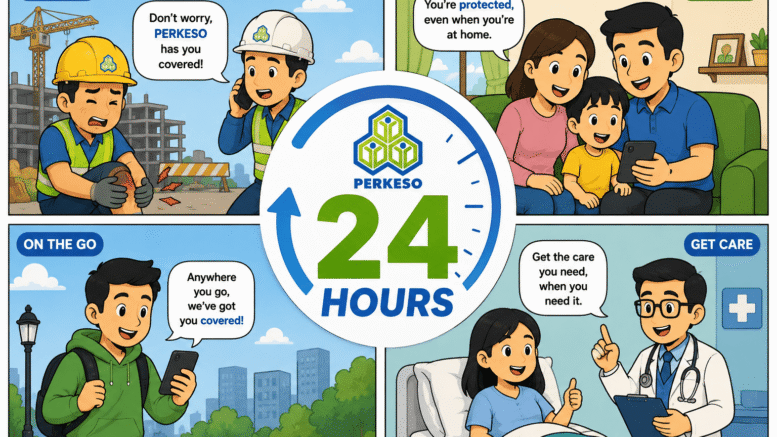
Understanding SOCSO rates for employees above 60 is essential for Malaysian employers who want to stay compliant while supporting older staff who continue working past the traditional retirement age. When an employee turns 60, their SOCSO contribution category changes automatically, and payroll teams need to know exactly what this means for both the company and the employee. This guide breaks down the rules, the rate changes, and how to manage the transition smoothly.
What Happens to SOCSO Contributions When an Employee Turns 60
Under the Employees’ Social Security Act, employees are covered under Category 1, which includes both the Employment Injury Scheme and the Invalidity Scheme, until they reach the age of 60. Once an employee crosses this age threshold, they automatically move into Category 2, which covers the Employment Injury Scheme only. This shift affects the contribution rate and the types of benefits the employee remains eligible for.
Employers must update payroll systems to reflect this change from the month the employee turns 60, since continuing to deduct Category 1 rates after this point is incorrect and can create compliance issues during an audit.
Moving Safely to the Second Category: What Employers Need to Know
Category 1 vs Category 2 Coverage
Category 1 protects employees against employment injury and invalidity, offering broader protection for younger members of the workforce. Category 2, which applies to employees above 60, covers only employment injury, since the Invalidity Scheme is designed for working-age employees who face a higher long-term risk of losing their ability to work.
Contribution Rate Differences
Category 2 contributions are generally lower than Category 1 because only the Employment Injury Scheme applies. The exact contribution is based on the employee’s monthly wages according to the official SOCSO contribution table, and only the employer contributes under Category 2, as employees above 60 are not required to make their own SOCSO contribution.
Comparing SOCSO Categories
| Aspect | Category 1 (Below 60) | Category 2 (Above 60) |
|---|---|---|
| Schemes Covered | Employment Injury + Invalidity | Employment Injury only |
| Employee Contribution | Yes | No |
| Employer Contribution | Yes | Yes |
| Applicable Age | Under 60 | 60 and above |
Key takeaway: employers remain responsible for contributions regardless of age, but the scope of protection and the rate calculation change once an employee turns 60.
Why This Matters for Payroll Accuracy
Getting SOCSO categories wrong is a common payroll error, especially in companies with a mix of younger and older employees. Miscalculating contributions can lead to underpayment penalties or overpayment that is difficult to reclaim. HR teams should build a system that automatically flags employees approaching their 60th birthday so payroll adjustments happen on time, every time.
Beyond compliance, correctly managing this transition also protects older employees. If an injury occurs at work, having accurate Category 2 contributions ensures the employee can claim Employment Injury Scheme benefits without delays caused by incorrect payroll records.
Best Practices for Managing SOCSO Across Age Groups
- Maintain an up-to-date list of employees nearing their 60th birthday and flag them for category review.
- Use payroll software that automatically applies the correct SOCSO category based on date of birth.
- Train HR and payroll staff on the difference between Category 1 and Category 2 contributions.
- Keep records of category changes for audit purposes, including the effective date of the switch.
- Review SOCSO contribution tables periodically, as rates can be updated by the government.
Step-by-Step: Transitioning an Employee to Category 2
- Step 1: Identify the employee’s 60th birthday month in advance using HR records.
- Step 2: Update the payroll system to switch the SOCSO category starting from the correct month.
- Step 3: Recalculate the employer’s contribution based on the Category 2 rate table.
- Step 4: Communicate the change to the employee so they understand their updated coverage.
- Step 5: Retain documentation of the transition for compliance and audit purposes.
How Automated HR Software Simplifies SOCSO Compliance
Manually tracking every employee’s age-related contribution changes becomes difficult as a company grows. Modern payroll and HR systems can automatically detect when an employee turns 60 and adjust their SOCSO category without requiring manual intervention from the payroll team. This reduces the risk of human error, ensures contributions are calculated correctly every month, and frees up HR staff to focus on higher-value tasks rather than manually cross-checking birthdates against contribution tables.
For companies employing a significant number of older workers, particularly in sectors facing labour shortages, this kind of automation is increasingly important. It ensures that businesses remain compliant even as their workforce composition changes over time, and it gives finance teams confidence that statutory deductions are accurate month after month.
Common Mistakes Employers Make With Older Employee Contributions
Even experienced payroll teams sometimes overlook the SOCSO category switch, particularly in companies without automated systems. One frequent mistake is continuing to deduct an employee contribution after the employee turns 60, which is incorrect since Category 2 does not require employee-side deductions. Another common issue is applying the wrong contribution table when calculating the employer’s share, leading to underpayment that must later be corrected with backdated payments.
Some companies also fail to inform employees about the change in their coverage, which can cause confusion if the employee later tries to claim invalidity benefits that no longer apply to them under Category 2. Clear communication at the time of transition helps avoid this misunderstanding and ensures employees understand exactly what protection they retain.
Retaining Older Talent While Staying Compliant
As Malaysia’s workforce ages and more employees choose to work beyond 60, understanding SOCSO obligations becomes increasingly relevant for employers across industries. Retaining experienced staff brings valuable institutional knowledge to a company, and ensuring their statutory contributions are handled correctly is part of being a responsible employer. Businesses that manage this well tend to build stronger trust with their older workforce, which can improve retention and morale among long-serving employees who feel their welfare is being properly taken care of.
Conclusion
Understanding SOCSO rates for employees above 60 and correctly moving them to the second category is a critical part of payroll compliance in Malaysia. Employers must recognise the shift from Category 1 to Category 2 coverage, adjust contribution calculations accordingly, and maintain clear records to support audits. By building proactive processes, or adopting automated payroll software, businesses can protect both their compliance standing and their older employees’ entitlements with confidence.
Frequently Asked Questions
At what exact age does an employee move to SOCSO Category 2?
The change applies from the month an employee turns 60 years old.
Do employees above 60 still need to contribute to SOCSO?
No, only the employer contributes under Category 2, since employees above 60 are exempt from personal SOCSO contributions.
What benefits are employees above 60 still entitled to?
They remain covered under the Employment Injury Scheme, which provides protection in the event of a work-related injury or accident.
What happens if an employer forgets to update the category?
Incorrect contributions may result in compliance issues during a SOCSO audit and could delay an employee’s ability to claim benefits.
Can payroll software automate this transition?
Yes, many modern HR and payroll systems automatically detect an employee’s age and apply the correct SOCSO category without manual updates.
Smart Touch technology pte ltd , www.smartouch.com.sg +65-63964767, sales@smartouch.com.sg , www.smartouch.com.my +607-3889903 sales@smartouch.com.my