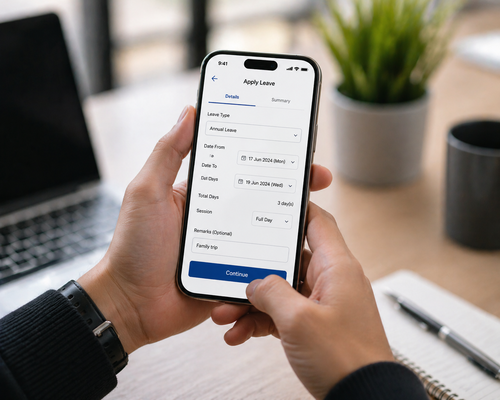
Managing leave entitlements is one of the most complex aspects of human resources administration in Malaysia. One area that often creates confusion is the treatment of unpaid leave when it comes to EPF (Employee Provident Fund) and SOCSO (Social Security Organisation) contributions. Employers and employees alike need clarity on whether these mandatory deductions continue during unpaid leave periods, and what the compliance implications are.
Understanding the rules around unpaid leave and statutory deductions is essential for maintaining payroll accuracy, ensuring legal compliance, and protecting both the employer and employee. In this guide, we’ll explore the key considerations, the relevant regulations, and practical steps to manage this correctly.
What is Unpaid Leave in Malaysia?
Unpaid leave refers to time away from work that is not compensated by the employer. Unlike paid annual leave or sick leave, which are statutory entitlements, unpaid leave is typically granted at the employer’s discretion or by mutual agreement with the employee.
Unpaid leave might be taken for various reasons, such as personal matters, extended family responsibilities, or situations where an employee has exhausted their paid leave entitlements. While it is an arrangement that benefits employees needing time off, it creates specific payroll and contribution challenges for employers.
Understanding EPF and SOCSO Contributions
Before exploring the deduction rules, it’s important to understand what these two schemes represent.
EPF (Employee Provident Fund)
The EPF is Malaysia’s mandatory retirement savings scheme. Both employers and employees contribute a percentage of the employee’s salary. The employee’s contribution is typically deducted from their salary, while the employer makes a separate contribution. These funds accumulate over the employee’s working life to provide financial security in retirement.
SOCSO (Social Security Organisation)
SOCSO provides social security protection to employees, covering employment-related injuries, disabilities, and death. Unlike EPF, SOCSO is primarily employer-funded, though the contribution is still calculated based on the employee’s wage.
EPF and SOCSO During Unpaid Leave: Key Considerations
The treatment of EPF and SOCSO contributions during unpaid leave periods is governed by specific regulations. However, the situation is nuanced and depends on several factors.
EPF Contributions During Unpaid Leave
According to EPF regulations, contributions are typically due on the employee’s wages. When an employee is on unpaid leave, they are not receiving wages for that period, which raises the question of whether EPF contributions are still payable.
Generally, if an employee is not drawing a salary during unpaid leave, the employer is not required to make EPF contributions for that period. However, employee contributions may be handled differently depending on the agreement between the employer and employee. It is important to review the specific terms of the unpaid leave arrangement and to consult the latest guidance from the EPF itself, as regulations and interpretations can change.
SOCSO Contributions During Unpaid Leave
SOCSO contributions are calculated on the basis of insurable earnings. During periods of unpaid leave, if the employee is not earning a wage, SOCSO contributions may not be applicable for those specific days or weeks. However, the exact treatment can vary based on how the unpaid leave is structured and whether the employee is technically still considered “employed” during this period.
Employers should verify the current SOCSO requirements with the SOCSO authority or a qualified payroll specialist, as the rules may have specific conditions or exceptions.
Why This Matters for Malaysian Employers
Getting unpaid leave and statutory deductions wrong can have serious consequences:
- Compliance Risk: Incorrect handling of EPF and SOCSO contributions can lead to regulatory penalties and audits from the relevant authorities.
- Employee Relations: Employees may question deductions or contributions during unpaid leave, leading to disputes if the situation is not handled transparently and correctly.
- Payroll Accuracy: Mistakes in calculating contributions can create discrepancies in employee records and affect retirement benefits or insurance coverage.
- Administrative Burden: Manual tracking of different contribution scenarios increases the likelihood of errors and administrative overhead.
Best Practices for Managing Unpaid Leave and Statutory Deductions
To ensure accurate and compliant management of unpaid leave and related deductions, employers should consider the following best practices:
- Clear Leave Policy: Document your organisation’s unpaid leave policy, including how EPF, SOCSO, and other deductions are handled during such periods.
- Employee Communication: Inform employees upfront about how their statutory contributions will be affected if they take unpaid leave.
- Verify Current Regulations: Consult the latest guidance from EPF and SOCSO, as regulations and interpretations may be updated. Your HR or payroll team should stay informed of any changes.
- Consistent Application: Apply the same rules consistently across all employees to avoid discrimination and maintain fairness.
- Record Keeping: Maintain detailed records of unpaid leave periods, corresponding deductions, and any relevant communication with employees.
- Professional Advice: When in doubt, seek advice from a qualified payroll professional, accountant, or HR consultant familiar with Malaysian employment law.
Common Challenges and How to Address Them
Several challenges commonly arise when managing unpaid leave and statutory deductions:
Uncertainty Over Regulations
Employment and contribution regulations can be complex, and interpretations may differ. The best approach is to maintain regular contact with the relevant authorities or work with compliance specialists who stay updated on regulatory changes.
Manual Payroll Processing
When unpaid leave is processed manually, it’s easy to make mistakes in calculating the correct deductions or forgetting to adjust contributions entirely. This is especially problematic for organisations with many employees or frequent unpaid leave requests.
Employee Queries and Disputes
Employees may not understand why their contributions are calculated differently during unpaid leave periods. Clear communication and detailed payslips that explain deductions can help prevent confusion and disputes.
Maintaining Accurate Records
Tracking which employees are on unpaid leave and ensuring that payroll systems accurately reflect the corresponding changes in contributions requires robust record-keeping practices.
How Smart Touch Technology Can Help
Managing unpaid leave and statutory deductions manually is time-consuming and error-prone. Smart Touch Technology’s e-leave system provides an integrated solution to streamline leave management and improve payroll accuracy.
By automating leave approvals, tracking, and integration with payroll systems, an e-leave system helps ensure that unpaid leave is properly recorded and that corresponding adjustments to EPF and SOCSO contributions are handled correctly. Automated systems reduce manual data entry errors, maintain consistent record-keeping, and provide clear visibility into leave balances and deduction calculations.
For Malaysian employers managing complex leave scenarios, an e-leave system can be invaluable in maintaining compliance, reducing administrative burden, and ensuring accurate statutory contribution processing.
Conclusion
Unpaid leave and the treatment of EPF and SOCSO deductions is a critical area of payroll management in Malaysia. While the general principle is that contributions are not required when there is no wage earned, the specific application can be nuanced and may depend on individual circumstances and the latest regulatory guidance.
Employers must ensure clear policies, maintain accurate records, communicate transparently with employees, and stay informed of regulatory requirements. By adopting best practices and potentially leveraging technology solutions to automate leave and payroll processes, Malaysian businesses can minimise errors, reduce compliance risk, and ensure both employers and employees are treated fairly.
For the most current and specific guidance on your organisation’s obligations, always consult the official EPF and SOCSO websites or seek advice from qualified HR and payroll professionals.
Smart Touch Technology Pte Ltd
Singapore: www.smartouch.com.sg | +65-63964767 | sales@smartouch.com.sg
Malaysia: www.smartouch.com.my | +607-3889903 | sales@smartouch.com.my