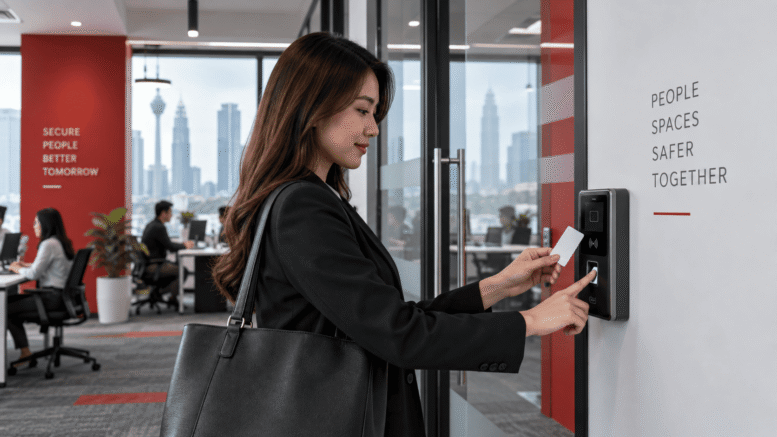
Access Card System For Cashless Canteen Access And Meal Management: A Practical Implementation Guide
Modern workplaces and educational institutions across Malaysia are increasingly adopting cashless payment systems to streamline operations and improve efficiency. One of the most practical applications of this technology is the implementation of an access card system for canteen management. By integrating access cards with meal payment and tracking systems, organisations can eliminate cash handling, reduce queues, and gain valuable insights into canteen operations and employee spending patterns.
Whether you manage a corporate canteen, school cafeteria, or institutional food service, understanding how to implement an effective access card system is essential for modernising your operations. This guide walks you through the key considerations, benefits, and best practices for deploying a cashless canteen access and meal management solution.
What Is An Access Card System For Canteen Management?
An access card system for canteen access and meal management combines physical card technology with digital meal management software. Employees or students use their access cards to both gain entry to the canteen and process meal payments at point-of-sale terminals.
The system works by storing credit or debit balance information on the card, linking the card to individual user accounts, and recording transaction data in a centralised database. This approach eliminates the need for cash transactions while providing administrators with real-time data on usage patterns, meal preferences, and spending trends.
Unlike traditional cash-based canteen systems, access card solutions provide security, convenience, and operational transparency in a single integrated package.
Key Benefits Of Implementing An Access Card Canteen System
Elimination Of Cash Handling
One of the most significant advantages is the complete removal of cash from canteen operations. This reduces theft risk, minimises cash handling errors, and simplifies accounting procedures for both canteen staff and finance teams. Staff no longer need to manage large amounts of currency or perform time-consuming cash reconciliation at the end of each day.
Reduced Transaction Times
Cashless transactions are faster than cash payments. Without the need to count change or process multiple denominations, customers move through the payment line more quickly. This is particularly valuable during peak meal times when canteen queues can become congested. Faster transactions improve customer satisfaction and allow canteen staff to serve more people efficiently.
Improved Financial Controls
Access card systems create a complete digital record of every transaction. This provides organisations with robust financial controls, making it easier to audit canteen accounts, track revenue, and identify discrepancies. The transparency also helps prevent unauthorised transactions and internal theft.
Data-Driven Insights
The system captures valuable operational data, including peak usage times, popular menu items, spending patterns by department or user group, and inventory movement. This information helps canteen managers optimise menu offerings, adjust portion sizes, and plan staffing levels more effectively.
Enhanced User Convenience
Employees and students appreciate the convenience of a single card that provides both physical access and payment functionality. There is no need to carry multiple cards or worry about having the correct change. Many systems also allow users to check their account balance and transaction history online or via mobile applications.
Flexible Subsidy And Incentive Management
Organisations can easily implement meal subsidies or promotional incentives through the access card system. For example, employers can subsidise meals for certain employee groups, offer special rates during promotional periods, or implement tiered pricing based on meal categories without manual administration.
Important Considerations Before Implementation
Integration With Existing Systems
Before selecting an access card solution, evaluate how it will integrate with your existing infrastructure. Consider whether the system needs to connect with your current access control system, HR management software, accounting systems, or other enterprise applications. Seamless integration reduces manual data entry and improves overall system reliability.
User Adoption And Training
Successful implementation requires proper change management. Staff and users need clear communication about the transition from cash to cashless, training on how to use the new system, and support during the initial rollout period. Resistance to change is common, so it is important to emphasise the benefits and address user concerns proactively.
Card Issuance And Management
Consider the logistics of issuing cards to all users, managing card replacements when cards are lost or damaged, and handling card deactivation when users leave the organisation. You will need clear procedures and a designated administrator responsible for card management.
Payment Methods And Top-Up Processes
Decide how users will add funds to their accounts. Common approaches include automatic payroll deductions, online portal top-ups, or cash top-up kiosks. The more convenient and flexible your top-up options, the higher user adoption rates will be.
Regulatory Compliance And Data Protection
Malaysian organisations must ensure that any system handling personal or financial data complies with relevant regulations. While specific requirements vary by context, it is prudent to consult with your IT and legal teams regarding data protection obligations and best practices for safeguarding user information. Keep up to date with any relevant guidelines from official authorities regarding data handling and privacy.
Budget And Total Cost Of Ownership
Evaluate not just the initial hardware and software costs, but also ongoing expenses such as system maintenance, card replacement, customer support, software updates, and potential integration work. A detailed cost-benefit analysis will help you make an informed decision about whether the investment delivers value for your organisation.
Best Practices For Access Card Canteen System Implementation
- Start with a pilot programme: Test the system with a small group or department before rolling out organisation-wide. This allows you to identify and resolve issues before full implementation.
- Communicate clearly: Provide regular updates to all stakeholders about the transition timeline, how the system works, and where to get support.
- Offer comprehensive training: Ensure that both canteen staff and users receive adequate training on system usage, troubleshooting, and support contacts.
- Monitor and measure: Track key metrics such as transaction volume, average transaction time, system uptime, and user feedback to assess whether implementation is successful.
- Establish clear procedures: Document policies for card replacement, account top-ups, dispute resolution, and lost card reporting.
- Maintain adequate support: Ensure that help desk or support staff are available to resolve issues quickly and keep the system running smoothly.
- Review regularly: Periodically analyse system data and user feedback to identify opportunities for improvement or optimisation.
How Smart Touch Technology Can Help
Smart Touch Technology specialises in access card solutions designed for Malaysian businesses and organisations. Our access card systems are built to handle the specific requirements of canteen access and meal management, providing secure, reliable, and user-friendly solutions.
Our access card technology integrates seamlessly with meal management and payment systems, allowing you to streamline canteen operations, improve financial controls, and gain valuable operational insights. The system is designed with practical implementation in mind, taking into account the needs of both administrators and end users.
If you are considering implementing an access card system for cashless canteen access and meal management, Smart Touch Technology can help you evaluate your needs and identify the right solution for your organisation.
Curious about the product? Click here for the details
Conclusion
Implementing an access card system for cashless canteen access and meal management is a strategic investment that delivers tangible benefits for modern organisations. By eliminating cash handling, reducing transaction times, improving financial controls, and providing valuable operational data, these systems contribute to more efficient, secure, and user-friendly canteen operations.
Successful implementation requires careful planning, clear communication, adequate training, and ongoing support. By following best practices and selecting a reliable solution provider, your organisation can transition smoothly to a cashless canteen environment that benefits both staff and management.
The access card system represents a practical, proven approach to modernising canteen operations across Malaysian workplaces, schools, and institutions. With the right implementation strategy and technology partner, you can transform your canteen into a more efficient, secure, and transparent operation.
Smart Touch Technology Pte Ltd
Singapore: www.smartouch.com.sg | +65-63964767 | sales@smartouch.com.sg
Malaysia: www.smartouch.com.my | +607-3889903 | sales@smartouch.com.my