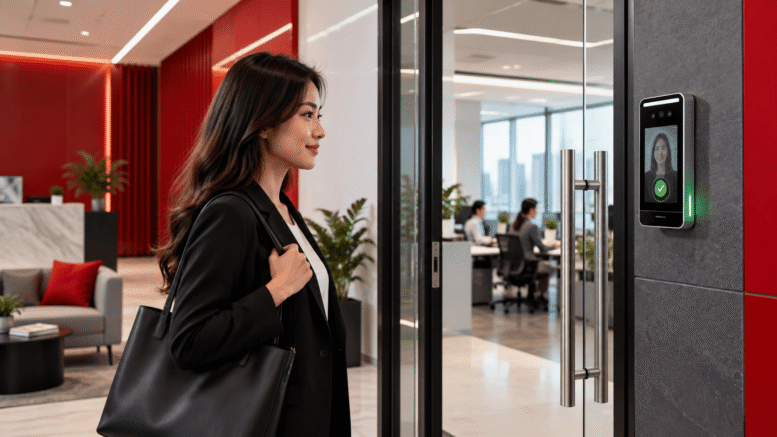
Door Access System: Visitor Access Control Integration For Secure Digital Operations
In today’s fast-paced business environment, organisations across Malaysia face mounting pressure to balance security with operational efficiency. Whether you manage a corporate office, industrial facility, or commercial complex, controlling who enters your premises is no longer just a matter of physical security—it’s fundamental to protecting your digital assets, intellectual property, and employee safety.
A modern door access system is the cornerstone of this protection. When properly integrated with your visitor access control processes, it creates a seamless yet secure entry experience that keeps unauthorised individuals out while allowing legitimate visitors to move through your facility with minimal friction. This article explores how visitor access control integration works, why it matters for your organisation, and how you can implement a solution that truly protects your digital operations.
Understanding Door Access Systems and Visitor Control
A door access system is far more than a lock and key. Modern systems use electronic credentials—such as access cards, mobile credentials, or biometric authentication—to grant or deny entry to specific individuals at specific times and locations within your facility.
Visitor access control integration takes this concept further. It connects your door access system with your broader security infrastructure, allowing you to manage visitor entry in a controlled, auditable manner. Rather than manually checking in visitors at reception and hoping staff members don’t accidentally prop doors open, an integrated system ensures that every visitor is registered, tracked, and limited to authorised areas.
For businesses in Malaysia, this integrated approach has become essential. It reduces the risk of unauthorised access to sensitive areas, provides clear audit trails for compliance purposes, and significantly improves the overall security posture of your organisation.
Key Benefits of Integrated Door Access and Visitor Management
Implementing a door access system with integrated visitor control offers several compelling advantages:
- Enhanced Security: Restrict visitor movement to designated areas and prevent unauthorised access to sensitive zones containing valuable equipment, confidential data, or restricted operations.
- Improved Compliance: Maintain detailed records of who entered your facility and when, which is essential for regulatory compliance and incident investigation.
- Operational Efficiency: Reduce manual check-in procedures and the administrative burden on reception staff, allowing them to focus on customer service.
- Better Visitor Experience: Once registered, visitors can move through your facility smoothly without repeated delays at checkpoints.
- Real-Time Visibility: Gain immediate insight into who is currently on your premises, making it easier to account for all individuals during emergencies.
- Reduced Risk of Tailgating: Electronic access control prevents unauthorised individuals from following legitimate employees or visitors through secure doors.
Common Challenges in Visitor Access Control
Many Malaysian organisations struggle with visitor management because their door access systems are not properly integrated with their registration and tracking processes. Common problems include:
Manual Registration Bottlenecks
When visitor check-in relies on paper logs or disconnected systems, the process becomes slow and error-prone. Visitors wait at reception while staff manually enter information, creating bottlenecks during busy periods and reducing the professional image of your organisation.
Incomplete Audit Trails
Without proper integration between your visitor management system and door access system, you may not have a complete record of where visitors actually went within your facility. This creates compliance gaps and makes it difficult to reconstruct events during security incidents.
Inconsistent Access Rules
Managing visitor access rights manually—communicating restrictions verbally to reception staff or security guards—often results in inconsistent enforcement. Some visitors may be granted access they shouldn’t have, while others face unnecessary delays because rules aren’t clearly documented.
Emergency Response Difficulties
During emergencies, having outdated or incomplete information about who is on your premises can seriously complicate evacuation and safety procedures. An integrated door access system with visitor control ensures you always have accurate, current information.
How Door Access System Integration Works
An effective integrated approach typically involves three key components working together:
Visitor Registration Platform
Visitors are registered through a dedicated system—either at a reception desk or increasingly through a pre-arrival registration portal. This captures their identity, purpose of visit, host department, and authorised areas they may access.
Access Control Management
The system automatically generates temporary access credentials (such as temporary access cards or mobile app credentials) based on the visitor’s registration details. These credentials are pre-configured with specific access rights—for example, access to floors 2-4 only, or access restricted to business hours.
Physical Door Access Points
When visitors present their credentials at electronic door readers, the system verifies whether they have permission to enter that specific area at that specific time. If authorised, the door unlocks; if not, access is denied and the incident is logged.
This entire process creates an auditable trail showing exactly who accessed which areas, when, and for how long. This level of visibility is invaluable for security investigations, compliance reporting, and understanding facility usage patterns.
Best Practices for Visitor Access Control Implementation
Deploying a door access system with integrated visitor control requires thoughtful planning. Consider these best practices:
- Define Clear Access Policies: Before implementation, establish which areas visitors can access, during which hours, and under what circumstances. Document these policies clearly.
- Categorise Your Visitors: Different visitor types (contractors, vendors, delivery personnel, clients) may have different access requirements. Build your system with these distinctions in mind.
- Train Staff Thoroughly: Your reception team, security staff, and department heads all need to understand the system and their roles in it.
- Maintain Regular Audits: Periodically review access logs to ensure visitors are not accessing areas beyond their authorised scope.
- Plan for Visitor Credential Return: Have a clear process for retrieving temporary credentials when visitors leave your facility.
- Integrate with Your IT Security: Consider how physical access control connects with your digital security measures to create a comprehensive security strategy.
Digital Operations and Security Integration
The connection between physical door access systems and digital security is increasingly important. When visitors gain access to your facility, they potentially gain proximity to company devices, networks, and sensitive information. An integrated approach ensures that:
Physical security measures (who can enter which areas) are reinforced by digital controls (network access restrictions, device logging, visitor WiFi policies). For example, a contractor visiting your IT department should not automatically gain access to your corporate network, regardless of their physical access to the room.
Audit trails from your door access system can be correlated with digital security logs. If an incident occurs, you can identify which individuals had physical access to the affected area during the relevant timeframe and cross-reference this with digital activity logs.
This integrated security mindset helps Malaysian organisations build layered defences against both physical and cyber threats, reducing the overall risk profile of their operations.
How Smart Touch Technology Can Help
Smart Touch Technology provides comprehensive door access system solutions designed specifically for organisations that need reliable, integrated visitor access control. Our door access systems combine physical security hardware with intelligent management software, enabling you to control, monitor, and audit visitor access with confidence.
Whether you’re managing a single building or multiple locations, our systems provide the tools you need to implement consistent access policies, reduce manual administration, and maintain complete visibility over who is on your premises. The integration capabilities ensure that your door access system works seamlessly with your existing business processes and security infrastructure.
Want to know more about the product? Check it out here: https://www.smartouch.com.my/door-access-system/
Conclusion
A modern door access system with integrated visitor access control is essential infrastructure for any organisation concerned about security, compliance, and operational efficiency. By combining electronic credential management with comprehensive visitor tracking, you create a secure environment that protects both your physical assets and digital operations.
The investment in proper visitor access control integration pays dividends through improved security, better compliance, operational efficiency, and the peace of mind that comes from knowing exactly who is on your premises at any given time.
If your organisation is ready to strengthen your visitor access control processes, now is an excellent time to evaluate integrated door access solutions that align with your specific needs and security objectives.
Smart Touch Technology Pte Ltd
Singapore: www.smartouch.com.sg | +65-63964767 | sales@smartouch.com.sg
Malaysia: www.smartouch.com.my | +607-3889903 | sales@smartouch.com.my