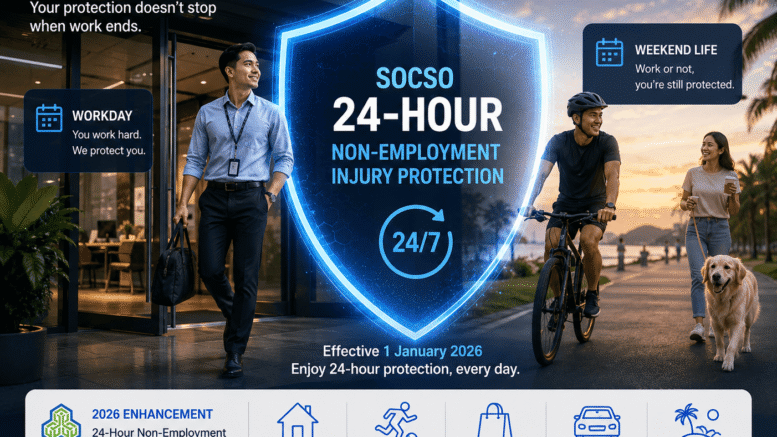
EIS Contribution Table: A Compliance Guide For Malaysian Employers
Managing employee contributions and statutory deductions is one of the most critical responsibilities for employers in Malaysia. The Employment Insurance System (EIS) is a mandatory social security scheme that protects employees against the risk of employment loss, and understanding the EIS contribution table is essential for maintaining compliance with Malaysian labour laws.
Many employers struggle with accurately calculating and remitting EIS contributions. Mistakes in contribution amounts, missed deadlines, or incorrect employee classifications can result in penalties, audits, and damaged relationships with both employees and regulatory bodies. This guide provides Malaysian employers with a comprehensive overview of the EIS contribution table, how it works, and what you need to know to stay compliant.
What Is The Employment Insurance System (EIS)?
The Employment Insurance System is a social safety net scheme administered by the Social Security Organisation (SOCSO) in Malaysia. It provides financial protection to eligible employees who face involuntary job loss, helping them meet their basic needs during periods of unemployment while they search for new employment.
Under the EIS scheme, both employers and employees contribute a percentage of the employee’s salary to build an insurance fund. When an employee becomes unemployed through no fault of their own, they can claim benefits from this fund to support themselves during their job search.
The EIS contribution table outlines the specific contribution rates and amounts that employers and employees must pay based on salary levels. Understanding this table is crucial for accurate payroll processing and regulatory compliance.
Who Is Covered By EIS?
Not all employees in Malaysia are covered by the EIS scheme. Eligibility depends on several factors, including employment status and salary level. Generally, the scheme covers employees who:
- Are Malaysian citizens or permanent residents
- Work for employers in Malaysia
- Earn within the specified salary range set by SOCSO
- Are employed on a regular, ongoing basis (not on contract or temporary arrangements, with some exceptions)
Certain categories of workers are excluded from EIS coverage, including self-employed individuals, contract workers below a certain threshold, domestic helpers, and employees earning above the maximum insurable wage. It is important for employers to correctly identify which employees fall under the EIS scheme, as misclassification can lead to compliance issues.
Understanding The EIS Contribution Table
The EIS contribution table is structured based on the employee’s monthly salary or wage. Both the employer and employee contribute a fixed percentage of the employee’s insurable monthly wage, up to a maximum insurable monthly wage set by SOCSO.
The contribution rates under EIS are relatively modest compared to other statutory deductions. As an employer, you are responsible for deducting the employee’s contribution from their salary and remitting both the employee and employer contributions to SOCSO on a monthly basis.
The actual contribution rates and maximum insurable wage limits are set and updated by SOCSO, and these figures can change periodically. For the most accurate and up-to-date information regarding current EIS contribution rates and the maximum insurable wage, employers should refer directly to the official SOCSO website or contact SOCSO directly to ensure they are applying the correct figures.
How To Read The EIS Contribution Table
The EIS contribution table typically shows salary brackets and the corresponding contribution amounts for both employers and employees. To use the table correctly, you need to identify the employee’s insurable monthly wage and locate the corresponding contribution bracket.
The insurable monthly wage usually includes the employee’s basic salary and may include certain allowances, depending on SOCSO regulations. It is important to clarify which components of remuneration are included in the insurable wage, as this affects the contribution calculation.
Once you identify the correct bracket, you can determine the contribution amount due from both the employer and the employee. These amounts are then recorded in your payroll system and remitted to SOCSO accordingly.
Calculating EIS Contributions For Your Employees
Calculating EIS contributions involves a straightforward process, but accuracy is essential. Here is a practical approach to ensure correct calculations:
- Identify the insurable wage: Determine which salary components are included in the insurable monthly wage according to current SOCSO guidelines.
- Check the employee’s eligibility: Confirm that the employee falls within the eligible categories for EIS coverage.
- Refer to the current contribution table: Use the latest EIS contribution table from SOCSO to identify the correct contribution rate or fixed amount for the employee’s wage level.
- Calculate employer and employee contributions: Apply the appropriate contribution rates to calculate both parties’ contributions.
- Deduct from employee salary: The employee’s contribution should be deducted from their gross salary or net salary, depending on your payroll arrangement.
- Record and remit: Maintain accurate records and ensure timely remittance to SOCSO before the deadline each month.
Common Compliance Issues With EIS Contributions
Many Malaysian employers encounter similar challenges when managing EIS contributions. Being aware of these common issues can help you avoid costly mistakes:
Incorrect Wage Classification
One of the most frequent errors is misidentifying which salary components should be included in the insurable wage. Some employers mistakenly include or exclude allowances, overtime, or bonuses incorrectly, leading to inaccurate contribution calculations.
Missing Or Late Remittances
Failing to remit contributions by the deadline or missing monthly submissions can result in penalties and interest charges. Late payments also damage your employer record with SOCSO.
Employee Misclassification
Some employers incorrectly classify employees as contract workers, temporary staff, or self-employed when they should be covered by EIS, or vice versa. This can result in non-compliance and potential disputes.
Incomplete Records
Poor record-keeping makes it difficult to verify contributions, respond to audits, or address employee inquiries about their EIS status and benefits.
Best Practices For EIS Compliance
To maintain compliance with EIS requirements and reduce administrative burden, consider implementing these best practices in your organisation:
- Stay informed: Regularly review updates from SOCSO regarding contribution rates, maximum insurable wages, and scheme changes. Subscribe to SOCSO communications or visit their official website regularly.
- Use reliable payroll systems: Implement payroll software that can accurately calculate EIS contributions and maintain compliance with current rates and tables.
- Maintain accurate employee records: Keep detailed records of employee classifications, salary components, and contribution history for audit purposes.
- Set remittance reminders: Establish a calendar system to ensure timely monthly submissions to SOCSO, reducing the risk of late payment penalties.
- Train your HR team: Ensure that staff responsible for payroll and employee records understand EIS requirements and the correct application of the contribution table.
- Conduct regular audits: Periodically review your payroll records to identify and correct any discrepancies in EIS calculations or classifications.
- Communicate with employees: Help employees understand their EIS contributions and what coverage means for them, fostering transparency and trust.
How Smart Touch Technology Can Help
Managing EIS contributions alongside other statutory deductions, taxes, and payroll requirements can be complex and time-consuming, especially for organisations with multiple employees. Smart Touch Technology offers general solutions that can streamline your payroll and compliance processes, reducing manual errors and administrative burden.
By implementing integrated payroll systems and compliance tools, you can automate contribution calculations, maintain accurate records, and ensure timely remittances to regulatory bodies like SOCSO. This not only improves accuracy but also frees up your HR and finance teams to focus on more strategic activities.
To learn more about how Smart Touch Technology can support your organisation’s payroll compliance and operational efficiency, reach out to our team for a consultation tailored to your business needs.
Conclusion
The EIS contribution table is a fundamental tool for Malaysian employers seeking to meet their statutory obligations and provide employee protection. Understanding the table, correctly calculating contributions, and maintaining compliance ensures that your organisation protects both its employees and its reputation.
While the EIS scheme itself is straightforward, the administrative details can become challenging without proper systems and knowledge. By staying informed about current contribution rates, maintaining accurate records, and implementing reliable payroll processes, you can manage EIS contributions confidently and focus on growing your business.
Remember that SOCSO regularly updates contribution tables and regulations, so it is important to check the latest information from the official SOCSO channels to ensure you remain compliant. If you need support in managing your payroll compliance, consider exploring technology solutions that can simplify these processes for your organisation.
Smart Touch Technology Pte Ltd
Singapore: www.smartouch.com.sg | +65-63964767 | sales@smartouch.com.sg
Malaysia: www.smartouch.com.my | +607-3889903 | sales@smartouch.com.my